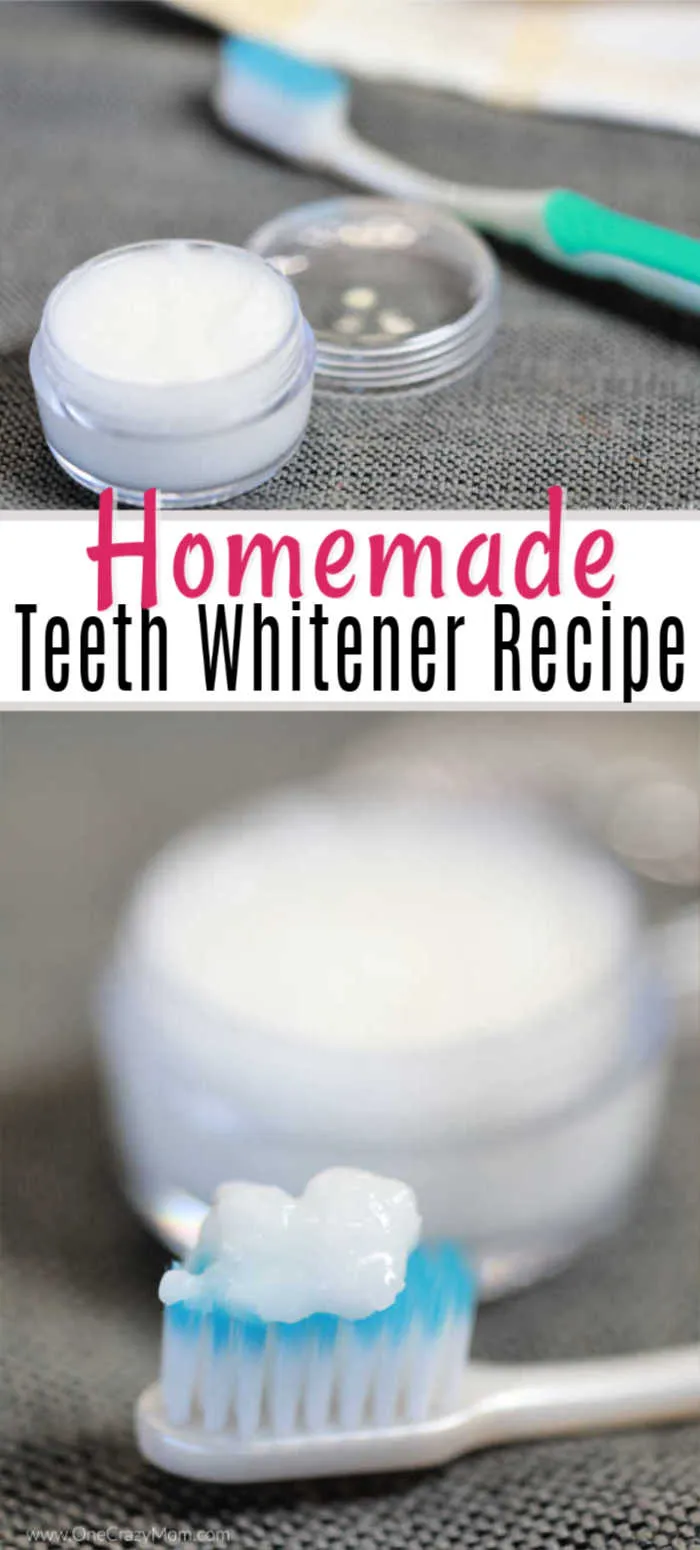
DIY Teeth Whitening Kits Top 7 Secrets
Achieving a brighter smile can be a transformative experience, boosting confidence and improving overall appearance. DIY teeth whitening kits have become increasingly popular as an affordable and convenient alternative to professional treatments. However, navigating the world of at-home whitening can be tricky. To help you achieve the best possible results and avoid common pitfalls, this guide reveals the top 7 secrets to successful DIY teeth whitening, ensuring you can safely and effectively brighten your smile from the comfort of your home. Understanding these secrets will empower you to make informed choices, use your chosen kit properly, and maintain a radiant, healthy smile.
Understanding DIY Teeth Whitening
DIY teeth whitening involves using over-the-counter products to lighten the color of your teeth. These products typically contain bleaching agents, most commonly hydrogen peroxide or carbamide peroxide, which penetrate the enamel to break down stain molecules. Unlike professional treatments, which use higher concentrations of these agents, DIY kits offer milder formulas designed for home use. While they may take longer to produce visible results compared to professional options, they are often more budget-friendly and accessible. The effectiveness of a DIY kit depends on several factors, including the concentration of the active ingredient, the duration of use, and the type and severity of staining.
Types of DIY Teeth Whitening Kits

Several types of DIY teeth whitening kits are available, each offering a different approach to achieving a brighter smile. Whitening strips are perhaps the most common and user-friendly option, consisting of thin, flexible strips coated with a whitening gel that adheres directly to the teeth. Whitening trays, which are custom-fitted or pre-formed, are another popular choice. These trays are filled with a whitening gel and worn for a specified amount of time. Whitening toothpastes and mouthwashes offer a more gradual approach, containing mild abrasives or chemical agents to remove surface stains. Additionally, some kits utilize LED light technology to enhance the whitening process, often used in conjunction with whitening gels or trays.
How DIY Teeth Whitening Works
DIY teeth whitening kits work by using chemical agents to oxidize stain molecules present in tooth enamel. The active ingredient, usually hydrogen peroxide or carbamide peroxide, penetrates the porous enamel surface. Once inside, these chemicals break down the stain molecules into smaller, less noticeable components. The process is effective for both extrinsic stains, which are on the surface of the teeth, and intrinsic stains, which are deeper within the tooth structure. The concentration of the whitening agent, the duration of application, and the frequency of use all affect the whitening results. Over time, with consistent and correct use, these kits can significantly lighten the shade of your teeth, revealing a brighter, more confident smile.
The First Secret Choosing the Right Kit
Selecting the right DIY teeth whitening kit is the first crucial step toward achieving a brighter smile. With a vast array of products available, it’s essential to choose a kit that suits your specific needs and preferences. Consider the type of kit you want to use, such as strips, trays, or toothpastes, and evaluate its ease of use. Check the concentration of the active whitening agent, as higher concentrations can produce faster results but may also increase the risk of sensitivity. Also, read reviews and compare the kit’s features, such as the duration of treatment and any additional components, like LED lights. Choose products from reputable brands to ensure quality and safety and always consult your dentist if you have any questions.
Reading the Labels and Ingredients

Before using any DIY teeth whitening kit, carefully read and understand the product label and ingredient list. Pay close attention to the concentration of the active ingredient, typically hydrogen peroxide or carbamide peroxide. The higher the concentration, the more potent the whitening effect, but also the greater the potential for tooth sensitivity and gum irritation. Look for products with a lower concentration if you have sensitive teeth. Be aware of any other ingredients, such as flavorings, preservatives, and potential allergens. Ensure the product is FDA-approved, and follow the manufacturer’s instructions precisely. Familiarize yourself with potential side effects and how to manage them. If any ingredients raise concerns, consult with your dentist before proceeding.
Understanding the Active Whitening Agents
The active whitening agents in DIY kits, mainly hydrogen peroxide and carbamide peroxide, are responsible for lightening the color of your teeth. Hydrogen peroxide is a powerful bleaching agent that breaks down stains. Carbamide peroxide breaks down into hydrogen peroxide and urea, which helps to break down stains. The concentration of the whitening agent directly affects the speed and intensity of the results. Lower concentrations are gentler and less likely to cause sensitivity, but they may take longer to produce noticeable changes. It’s important to understand how these agents work, to make informed choices based on your teeth’s sensitivity, the type of stains present, and your desired outcome. Different kits will use different concentrations, so make sure to choose the one that’s appropriate for your needs.
The Second Secret Preparing Your Teeth
Preparing your teeth before whitening is critical for optimizing results and minimizing potential side effects. Begin by thoroughly brushing and flossing your teeth to remove food particles and plaque, which can interfere with the whitening agent’s effectiveness. Use a soft-bristled toothbrush and gentle, circular motions. Floss carefully to remove debris from between your teeth. Consider using a fluoride toothpaste to strengthen your enamel and reduce sensitivity. If you have any existing dental work, such as fillings or crowns, be aware that these will not whiten and may stand out against your newly whitened teeth. Consult your dentist to address any pre-existing conditions before starting the whitening process.
Brushing and Flossing Before Whitening

Proper oral hygiene is essential before using DIY teeth whitening kits, as it ensures the whitening agent comes into direct contact with your teeth. Brush your teeth for at least two minutes, using a soft-bristled toothbrush and a fluoride toothpaste. This removes surface stains and plaque that can prevent the whitening agent from penetrating the enamel effectively. Floss gently between your teeth to remove any remaining food particles and debris. This preparation not only enhances the effectiveness of the whitening process but also helps to prevent gum irritation or other side effects. Thorough cleaning ensures that the whitening agents can reach all areas of your teeth, leading to a more uniform and satisfying result.
Avoiding Staining Foods and Drinks
During and immediately after the DIY teeth whitening process, it’s crucial to avoid foods and drinks that can stain your teeth. These include coffee, tea, red wine, dark sodas, berries, and tomato-based sauces. These items contain pigments that can easily re-stain freshly whitened teeth, undoing the progress you’ve made. For the best results, adhere to a white diet as much as possible, consuming foods like chicken, fish, white rice, and dairy products. If you consume staining substances, rinse your mouth with water immediately afterward. Avoiding these staining foods and drinks will help to maximize the whitening effect and maintain your brighter smile for a longer period.
The Third Secret Application Techniques
The application technique you use with your DIY teeth whitening kit directly impacts the results. Following the manufacturer’s instructions is critical for ensuring effectiveness and safety. Whether you are using whitening strips or trays, ensure that you apply them correctly. Using strips, align them along your gum line, pressing firmly to secure them to your teeth, and avoid touching your gums to prevent irritation. For trays, fill them with the appropriate amount of whitening gel and wear them for the recommended time. Always clean your teeth and dry them before application. Avoid over-application or leaving the product on for longer than directed, as this can increase the risk of sensitivity or other side effects.
Using Whitening Strips Correctly

Whitening strips are a popular DIY option, but proper application is essential for optimal results. Start by brushing your teeth thoroughly, then dry them to help the strips adhere. Peel the strips from their backing and apply the longer strip to your upper teeth and the shorter one to your lower teeth. Align the strips along your gum line, pressing gently to ensure they make good contact with your teeth. Fold any excess strip material behind your teeth. Avoid touching your gums with the whitening gel to prevent irritation. Leave the strips on for the time specified in the instructions, typically 30 minutes, and then remove them. Rinse your mouth to remove any remaining gel. Consistent and correct use will lead to a brighter smile.
Using Whitening Trays Effectively
Whitening trays require careful application to be effective. Start by brushing and drying your teeth. Fill the tray with the recommended amount of whitening gel, being careful not to overfill. Insert the tray into your mouth, ensuring that it fits snugly against your teeth, and remove any excess gel that might spill out. Wear the tray for the duration specified by the manufacturer, typically 30 minutes to an hour, or as directed. After removing the tray, rinse your mouth thoroughly to remove any remaining gel. Clean your tray immediately to prevent bacteria buildup and gel degradation, and store it in a clean, dry place. By following these steps, you can maximize the whitening effect and avoid gum irritation.
The Fourth Secret Maintaining Oral Hygiene
Maintaining excellent oral hygiene is not just about whitening your teeth; it is about overall health. Regular brushing and flossing are fundamental, removing plaque and preventing stains. Use a fluoride toothpaste and brush at least twice daily for two minutes. Floss daily to remove food particles and plaque from between your teeth, where your toothbrush can’t reach. Consider using an antibacterial mouthwash to further reduce bacteria. Regular dental check-ups and cleanings are vital for professional maintenance, addressing any issues and ensuring your teeth remain healthy and bright. Consistent care ensures your whitening results last longer and that you avoid potential dental issues.
Regular Brushing and Flossing Routine

Establishing a consistent brushing and flossing routine is vital for maintaining a bright, healthy smile. Brush your teeth twice a day, in the morning and before bed, using a soft-bristled toothbrush. Use gentle, circular motions, ensuring that you reach all surfaces of your teeth. Brush for at least two minutes each time. Floss daily to remove food particles and plaque from between your teeth, where a toothbrush can’t reach. Proper flossing helps to prevent tooth decay and gum disease, which can impact your smile. Using a routine that includes both brushing and flossing will improve your overall oral health and help to maintain the results of your whitening treatment.
Using Fluoride Toothpaste
Fluoride toothpaste plays a significant role in oral hygiene and can enhance the results of your DIY teeth whitening efforts. Fluoride strengthens tooth enamel, making it more resistant to acid attacks from bacteria and food, decreasing the risk of cavities. After whitening treatments, teeth may be slightly more sensitive, and fluoride can help to remineralize enamel, which will help with sensitivity. Use fluoride toothpaste daily as part of your brushing routine. Choose a toothpaste with the appropriate fluoride level for your age and dental needs. By using fluoride toothpaste, you protect your teeth from decay and help to maintain a healthy, bright smile long after whitening.
The Fifth Secret Managing Sensitivity
Tooth sensitivity is a common side effect of DIY teeth whitening. The whitening agents can penetrate the enamel and irritate the nerves in your teeth, causing discomfort. If you experience sensitivity, there are several steps you can take to manage it. Reduce the frequency or duration of your whitening treatments, switch to a lower concentration of whitening agent, and use desensitizing toothpaste containing ingredients like potassium nitrate. Avoid very hot or cold foods and drinks, which can trigger sensitivity. If your sensitivity is severe or persists, consult your dentist. Proper management of sensitivity will enable you to continue whitening without significant discomfort.
Dealing with Tooth Sensitivity

Dealing with tooth sensitivity during DIY teeth whitening requires a proactive approach. The first step is to identify the triggers, which are usually hot or cold foods and drinks. Limit your exposure to these triggers. If you experience sensitivity, take breaks from the whitening treatments, allowing your teeth to recover. Use a desensitizing toothpaste containing ingredients like potassium nitrate, which helps to block the nerve signals and reduce discomfort. Rinse with a fluoride mouthwash. Over-the-counter pain relievers can help manage pain, but consult your dentist if the sensitivity is severe or persists. By taking these steps, you can manage sensitivity effectively and continue whitening with minimal discomfort.
Using Desensitizing Toothpaste
Desensitizing toothpaste is a helpful tool to manage tooth sensitivity during DIY teeth whitening. These toothpastes contain ingredients like potassium nitrate or stannous fluoride, which help to block the nerve signals that cause sensitivity. Start using desensitizing toothpaste at least two weeks before you begin whitening treatments. This allows the toothpaste to build up its protective effect. Continue to use it throughout the whitening process and after, to maintain the desensitizing effect. Brush gently and avoid excessive pressure, which can worsen sensitivity. By incorporating desensitizing toothpaste into your oral care routine, you can minimize discomfort and make the whitening process more comfortable.
The Sixth Secret Setting Realistic Expectations
Setting realistic expectations is crucial for satisfaction with DIY teeth whitening. While these kits can significantly lighten your teeth, they may not achieve the same results as professional treatments. The degree of whitening depends on your natural tooth color, the type and severity of stains, and the whitening agent used. Be aware that some teeth may whiten more than others. Results typically vary from person to person. Be patient and persistent. Avoid comparing your results to those of others, and remember that consistency and proper technique are key. If you desire a more dramatic whitening outcome, consult your dentist about professional options.
Understanding Results and Limitations
Understanding the results and limitations of DIY teeth whitening helps to manage expectations. While these kits are effective in removing stains and brightening your smile, their effectiveness is limited. The results depend on the type and severity of the stains and your natural tooth color. Some stains may be more difficult to remove, and certain teeth may not respond as well to treatment. Results can vary between individuals. Be patient. The extent of whitening can also be affected by the concentration of the whitening agent and the duration of treatment. Understand that DIY kits may not achieve the same dramatic results as professional treatments. It’s best to manage expectations and to discuss realistic outcomes with your dentist.
Considering Professional Whitening
If you are unsatisfied with the results of DIY teeth whitening, it may be time to consider professional whitening options. Professional treatments use stronger whitening agents and offer quicker and more dramatic results. Your dentist can also identify and address any underlying dental issues that may be affecting your tooth color. Professional whitening can be done in the dental office or using custom-fitted trays provided by your dentist. Professional whitening is usually more expensive than DIY kits, but it may be the best choice if you have stubborn stains, desire a more significant change, or have sensitive teeth. Discuss your options with your dentist.
The Seventh Secret Aftercare and Maintenance
Aftercare and maintenance are critical to preserving your newly whitened smile. Following the whitening treatment, continue practicing good oral hygiene habits, including brushing and flossing daily. Avoid staining foods and drinks, such as coffee, tea, and red wine. If you consume these items, rinse your mouth with water immediately afterward. Consider using a whitening toothpaste or mouthwash to maintain your bright smile, and schedule regular dental check-ups and cleanings. Maintain your smile’s radiance by using take-home touch-up kits. Proper aftercare ensures that your teeth stay bright for as long as possible and that you avoid any new stains.
Maintaining White Teeth Long-Term
Maintaining white teeth long-term involves adopting habits that prevent stains and preserve your results. The best way to do this is by avoiding or limiting the consumption of staining foods and drinks, such as coffee, tea, red wine, and dark berries. If you consume them, rinse your mouth with water immediately afterward. Regular brushing and flossing, using fluoride toothpaste, are also essential. Consider using a whitening toothpaste or mouthwash as part of your routine. Take-home touch-up kits can help maintain your teeth. If you smoke, quitting will significantly improve the appearance of your teeth. By following these steps, you can ensure your smile remains bright and beautiful for years.
Regular Dental Check-ups
Regular dental check-ups play a vital role in maintaining a healthy and bright smile. During your check-ups, your dentist will assess your oral health, identify any potential issues, and provide professional cleanings to remove plaque and tartar. Regular cleanings help to remove surface stains and maintain the results of your whitening treatment. Your dentist can also provide personalized advice on oral hygiene and recommend appropriate treatments to maintain your bright smile. They can also identify and address potential problems early, preventing them from worsening. Regular dental check-ups are essential for both the health and aesthetics of your smile.