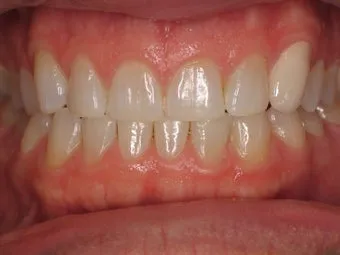
What is Zoom Whitening
Zoom Whitening is a popular and effective in-office teeth whitening procedure. It’s designed to brighten your smile significantly in a single session. Unlike over-the-counter products, Zoom Whitening is performed by a dental professional, ensuring a safe and controlled application. This professional approach often leads to more dramatic and longer-lasting results compared to at-home methods. The process involves applying a high-concentration hydrogen peroxide gel to the teeth, which is then activated by a special blue light. This light accelerates the whitening process, allowing the gel to penetrate the enamel and break down stains.
How Zoom Whitening Works
The procedure typically begins with a thorough cleaning of your teeth to remove any plaque or debris. The dentist then isolates your gums and lips to protect them from the whitening agent. Next, the whitening gel is applied to the surface of your teeth. The Zoom light is directed at your teeth for several cycles, usually lasting around 15 minutes each. During this time, the light activates the whitening gel, breaking down stains and discoloration. After each cycle, the gel is removed, and a fresh layer is applied. The entire process usually takes about an hour, and you’ll see a noticeable difference in the shade of your teeth immediately after the treatment.
The Science Behind Whitening

Teeth whitening relies on the chemical reaction of the whitening agent, typically hydrogen peroxide or carbamide peroxide, with the organic molecules that cause stains. These molecules, often from food and beverages, become trapped within the enamel. The peroxide penetrates the enamel and breaks down these stain-causing molecules, effectively bleaching them and making them less visible. The Zoom light helps to speed up this process by increasing the rate of the chemical reaction. This is why in-office whitening is so much faster and more effective than many at-home treatments, as the concentration of the whitening agent can be significantly higher and the light helps accelerate the stain removal.
The Impact of Coffee on Teeth
Coffee is notorious for staining teeth. The dark pigments in coffee, called tannins, are easily absorbed by the porous enamel. These tannins bind to the enamel, causing discoloration over time. Regular coffee consumption can lead to a gradual yellowing or browning of the teeth, diminishing the brightness of your smile. The more coffee you drink, and the more frequently you drink it, the greater the risk of staining. Additionally, the acidity of coffee can erode the enamel, making your teeth more susceptible to staining. Coffee stains are not only an aesthetic concern, they can also contribute to the overall health of your teeth, as staining can make it more difficult to see early signs of decay.
Why Coffee Stains Teeth
The primary reason coffee stains teeth is due to the presence of tannins. Tannins are polyphenols, naturally occurring compounds that give coffee its color and bitter taste. These compounds have a high affinity for binding to the enamel of your teeth. When you drink coffee, the tannins attach to the surface of your teeth, creating a staining effect. This process is accelerated by the porous nature of tooth enamel. Enamel is not perfectly smooth; it has tiny pores where tannins can easily become trapped. Over time, these trapped tannins accumulate, leading to visible discoloration. The concentration of tannins in coffee is also a significant factor; the more concentrated the coffee, the more potential for staining.
How Stains Occur

Staining from coffee is a gradual process. Initially, the tannins from coffee deposit on the surface of the enamel. As this process continues, the tannins begin to penetrate deeper into the enamel. Factors like the health of your enamel, the frequency of coffee consumption, and other habits like smoking influence the extent and speed of staining. Additionally, the presence of plaque and other surface debris on your teeth can make them more susceptible to staining. Regularly brushing and flossing helps remove plaque and prevent stains from setting in. Furthermore, the acidity of coffee can erode enamel, making teeth more vulnerable to staining. This is why maintaining good oral hygiene is critical to prevent coffee-related staining.
Top 5 Facts Coffee After Zoom Whitening
Fact 1 Coffee & Staining Risk
After Zoom Whitening, your teeth are more susceptible to staining. The whitening process opens the pores in your enamel, making it easier for staining agents, like coffee tannins, to penetrate. This means that even a small amount of coffee can cause significant discoloration in the days and weeks following your treatment. It’s crucial to avoid coffee, or at least minimize consumption, to maintain your newly whitened smile. The heightened sensitivity to staining is a temporary effect, but it’s essential to take precautions during this period. The less coffee you consume during this time, the better your results will be and the longer they will last.
Fact 2 The Timing of Coffee Consumption
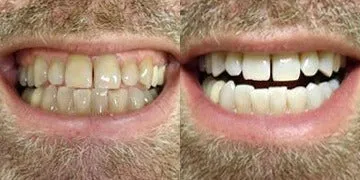
The timing of when you consume coffee after Zoom Whitening is critical. Dentists generally recommend avoiding coffee for at least 48 hours, or even up to a week. This allows your teeth to re-mineralize and close up the pores that were opened during the whitening process. The longer you can abstain, the better your chances of preserving your bright new smile. If you must drink coffee, consider waiting as long as possible and drinking it through a straw to minimize contact with your teeth. It is always best to consult your dentist about the best approach for you.
Fact 3 Alternatives to Coffee
There are many delicious and tooth-friendly alternatives to coffee that you can enjoy after Zoom Whitening. Consider switching to herbal teas, which typically have fewer tannins. Green tea is another option, but it can still stain to a lesser extent, so consume it in moderation. Water is always a safe and healthy choice, and it helps keep your teeth clean. Milk and clear beverages, such as clear soda, can also be acceptable options. Staying hydrated is vital for overall oral health, and water is the best way to do it. The key is to avoid dark-colored beverages that are known to stain teeth.
Fact 4 Best Practices
To minimize staining, follow these best practices. If you choose to drink coffee, use a straw to direct the liquid away from your teeth. Rinse your mouth with water immediately after drinking coffee to remove any remaining coffee residue. Brush your teeth gently, but not too aggressively, after the recommended waiting period after the procedure. Use a whitening toothpaste to help maintain the brightness of your smile. Avoid other staining foods and drinks, such as red wine, berries, and dark sauces. Be mindful of what you consume, and make informed choices to protect your investment in your smile. Consulting your dentist for personalized advice is always recommended.
Fact 5 How Long to Avoid Coffee

The exact duration for avoiding coffee varies, but a general guideline is at least 48 hours to a week after Zoom Whitening. Some dentists may recommend avoiding coffee for a longer period. This timeframe allows your teeth to stabilize and reduces the risk of staining. The longer you can avoid staining foods and drinks, the better your results will be. It also depends on your dietary habits and the health of your teeth. If you are a heavy coffee drinker, your dentist may suggest a longer period of abstinence. Always follow your dentist’s specific instructions to ensure the best results and longevity for your whitening treatment.
Maintaining Your White Smile
Maintaining your white smile involves both proactive measures and consistent oral hygiene. After Zoom Whitening, your teeth will be more susceptible to staining from various sources. Therefore, adhering to a strict regimen is critical to sustain your results. Besides avoiding coffee and other staining substances, regular dental check-ups and professional cleanings are essential. These visits allow your dentist to monitor your teeth’s health and address any potential issues early on. Good oral hygiene habits, like brushing and flossing regularly, also contribute to the longevity of your whitening treatment. These habits not only remove surface stains, but also keep your teeth and gums healthy overall.
Aftercare Tips
To ensure the longevity of your bright smile, follow these aftercare tips. Avoid staining foods and drinks, such as coffee, tea, red wine, and berries, for at least a week. Brush your teeth gently with a soft-bristled toothbrush and use a whitening toothpaste to help maintain your results. Floss daily to remove plaque and debris from between your teeth. Rinse your mouth with water after consuming anything that could stain your teeth. Use a straw when drinking staining beverages, such as coffee, to minimize contact with your teeth. Schedule regular dental check-ups and professional cleanings to maintain optimal oral health and the brightness of your smile. Be consistent with your routine to get the best results.
Professional Maintenance

Regular professional maintenance is essential to keep your teeth white and healthy. Schedule routine dental check-ups and cleanings every six months. Your dentist can assess your teeth’s condition and provide professional cleaning to remove any surface stains and plaque. They can also recommend touch-up whitening treatments as needed to maintain your desired level of brightness. Following your dentist’s recommendations for at-home care and maintaining a consistent oral hygiene routine is important. Professional maintenance ensures that any potential issues are addressed early on, and that your teeth remain healthy and radiant. Regular visits help extend the life of your Zoom Whitening results and ensure long-term oral health.
Final Thoughts
Avoiding coffee after Zoom Whitening is crucial for maintaining your bright, white smile. By understanding how coffee affects your teeth and following the best practices outlined, you can enjoy your enhanced smile for a longer time. Be mindful of your dietary choices, practice good oral hygiene, and schedule regular check-ups with your dentist. With proper care, you can preserve the results of your Zoom Whitening treatment and enjoy a confident, healthy smile for years to come. Remember that your dentist is your best resource for personalized advice and maintaining optimal oral health. Consult your dentist to customize the best approach to your teeth whitening care.