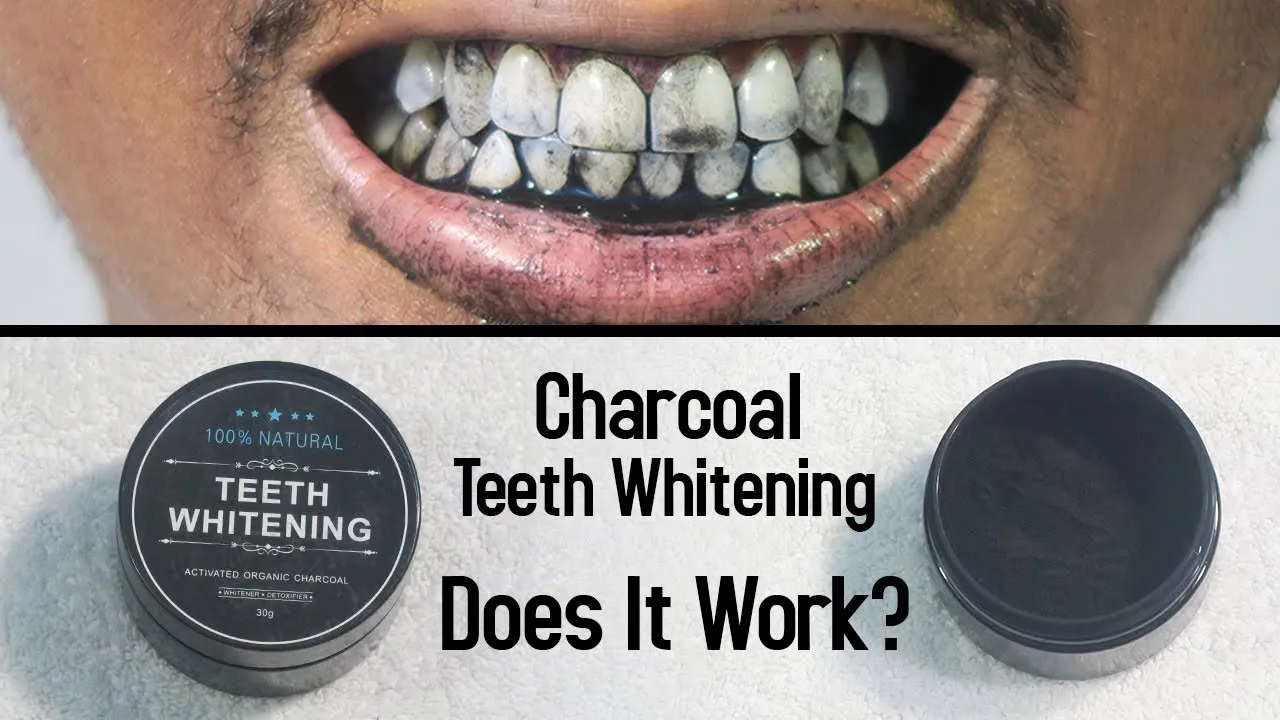
What Is Charcoal Teeth Whitening
Charcoal teeth whitening has surged in popularity as a natural method to brighten smiles. This technique involves using activated charcoal, a fine black powder derived from various sources like coconut shells, wood, or bamboo, to help remove stains and discoloration from teeth. Unlike traditional teeth whitening methods, which often use chemical bleaching agents, charcoal whitening is marketed as a gentle and natural alternative. It is often touted as a cost-effective solution for achieving a brighter smile without the need for professional treatments. The appeal lies in its accessibility and the promise of a healthier, more natural approach to oral care. Many people turn to charcoal teeth whitening hoping to avoid the potential sensitivities and side effects associated with stronger chemical treatments, making it an attractive option for those seeking a less invasive method.
How Charcoal Whitens Teeth
Charcoal’s ability to whiten teeth is primarily attributed to its abrasive nature and its porous structure. When used on teeth, the slightly abrasive charcoal helps to scrub away surface stains caused by food, drinks, and other substances. The porous nature of activated charcoal allows it to trap and absorb impurities, which can include the compounds that cause discoloration. This process helps to remove stains, revealing the natural whiteness of the teeth beneath. This is a purely mechanical process, meaning charcoal doesn’t change the intrinsic color of the tooth enamel like bleach does. Instead, it works by polishing the teeth and removing external stains, leading to a brighter appearance. It’s important to note that the effectiveness of charcoal whitening can vary depending on the type of stains, with surface stains being more easily removed than those embedded deeper within the enamel.
The Science Behind Charcoal’s Whitening Power

The science behind charcoal teeth whitening focuses on the properties of activated charcoal. This form of charcoal is created by heating carbon-rich materials, such as coconut shells, at high temperatures in the absence of air, followed by activation with steam or chemicals. This process increases its porosity, giving it a large surface area capable of absorbing various substances. The porous structure of activated charcoal enables it to bind to compounds that cause stains, such as tannins from coffee, tea, and wine, as well as other staining agents found in food and beverages. When brushed onto the teeth, charcoal’s abrasive action gently polishes the enamel, helping to dislodge these stains. However, the scientific evidence supporting the effectiveness of charcoal for teeth whitening is limited. Some studies suggest that charcoal can remove certain types of stains, but more research is needed to fully understand its impact and long-term effects on oral health.
Choosing the Right Charcoal Product
Selecting the right charcoal product is crucial for both effectiveness and safety when you’re looking to brighten your smile. The market offers various forms of charcoal for teeth whitening, including powders, toothpastes, and charcoal-infused products. It’s essential to consider the source and processing of the charcoal, opting for products made from natural sources like coconut shells or bamboo. Always check for products that are free from harmful additives such as artificial flavors, colors, and sweeteners. Look for brands that have undergone third-party testing to ensure the product’s purity and safety. The concentration of charcoal in the product also matters; higher concentrations may offer better stain removal but could also increase the risk of enamel abrasion. Read reviews and seek recommendations from dental professionals to guide your choice and minimize potential risks. Choosing a reputable brand is vital.
Types of Charcoal for Teeth Whitening
There are several types of charcoal products available for teeth whitening, each with its own characteristics. Activated charcoal powder is one of the most common forms, known for its fine texture and ability to reach into tight spaces. Charcoal toothpastes combine charcoal with other ingredients, like fluoride, to offer both whitening and cavity-fighting benefits. Charcoal strips are another option that provide a convenient way to apply charcoal to the teeth, although their effectiveness can vary. The source of charcoal also matters; coconut shell charcoal is a popular choice for its high purity, while bamboo charcoal is known for its absorbency. The choice of which type to use often comes down to personal preference and ease of use. Powder requires more care to avoid mess, while toothpastes are more straightforward. The important thing is to select a product that is safe, effective, and suitable for your specific dental needs.
Product Ingredients to Avoid

When selecting charcoal teeth whitening products, it’s important to be mindful of certain ingredients to ensure both safety and effectiveness. Avoid products that contain harsh abrasives, such as silica, which can damage tooth enamel over time. Also, it’s important to steer clear of products with artificial sweeteners, colors, and flavors, as these may not be beneficial for oral health. Some charcoal products include sodium lauryl sulfate (SLS), a foaming agent that can cause irritation for people with sensitive gums. Always read the product labels carefully to identify any potential allergens or ingredients that you may be sensitive to. It’s a good idea to consult with a dentist to determine the best ingredients for your oral care needs. By being vigilant about product ingredients, you can minimize any risks and maximize the benefits of using charcoal for teeth whitening.
How to Properly Use Charcoal for Whitening
Using charcoal for teeth whitening requires following a careful procedure to maximize benefits and minimize potential risks. If using charcoal powder, begin by moistening your toothbrush and dipping it into the powder. Brush your teeth gently in small, circular motions for about two minutes, ensuring you reach all surfaces. After brushing, rinse your mouth thoroughly with water to remove any remaining charcoal particles. This can be followed by brushing with regular toothpaste to remove any residue. For charcoal toothpastes, use them as you would with regular toothpaste, following the instructions on the product label. It’s crucial to use a soft-bristled toothbrush to avoid abrasion and damage to the enamel. Repeat this process once or twice a day, but avoid overusing charcoal, as excessive brushing can lead to sensitivity and enamel wear. It’s also important to be patient, as results may not be immediate and can vary depending on the type and severity of stains.
Step-by-Step Guide to Application
To effectively use charcoal for teeth whitening, follow these steps. First, moisten your toothbrush with water. If using charcoal powder, carefully dip the bristles into the powder; if using toothpaste, apply it to the brush as usual. Gently brush your teeth using small, circular motions, paying attention to all surfaces of your teeth. Continue brushing for about two minutes. Rinse your mouth thoroughly with water to remove any loose charcoal particles, and spit carefully to avoid staining your sink. You can then brush your teeth again with regular toothpaste to ensure that all the charcoal residue is removed. Clean your toothbrush thoroughly after each use. Be consistent with the application, but avoid excessive use. Always consult a dentist before starting any new teeth whitening regimen, especially if you have sensitive teeth or existing dental work.
Frequency of Use

The frequency of using charcoal for teeth whitening is crucial for balancing effectiveness and safety. Experts recommend using charcoal products no more than once or twice a day. Excessive use can lead to enamel erosion and increased tooth sensitivity. For best results, start by using charcoal once a day and monitor your teeth for any signs of increased sensitivity or discomfort. You may adjust the frequency based on your individual needs and how your teeth respond to the treatment. It’s important to remember that charcoal whitening works by removing surface stains, so consistency is key to achieving noticeable results. However, if you don’t see improvements after several weeks, or if you experience any adverse effects, it is advisable to consult with your dentist to evaluate whether charcoal is the right method for you and discuss other whitening options.
Potential Risks and Side Effects
While charcoal teeth whitening is generally considered safe, it’s essential to be aware of potential risks and side effects. One of the primary concerns is the abrasive nature of charcoal, which can wear down tooth enamel over time. Enamel erosion can lead to increased tooth sensitivity, as the underlying dentin becomes exposed. It can also make teeth more susceptible to cavities and other dental problems. Another potential issue is the staining of dental work, such as fillings, crowns, or veneers. Charcoal can get trapped in the porous surfaces of these materials, causing discoloration. Furthermore, there’s a risk of gum irritation, especially if you brush too aggressively or use products with irritating ingredients. Before using charcoal, consult your dentist to assess your oral health and understand any potential risks specific to your situation. Be mindful and use the product according to the guidelines.
Sensitivity and Enamel Damage
Tooth sensitivity and enamel damage are significant concerns associated with charcoal teeth whitening. Due to its abrasive nature, charcoal can wear away the protective enamel layer on your teeth. Enamel erosion exposes the underlying dentin, which contains tiny tubules that lead to the nerves of the teeth. This exposure can cause increased sensitivity to hot and cold temperatures, as well as sweet or sour foods. Damage to the enamel also makes teeth more vulnerable to cavities and other dental problems. To minimize the risks, use a soft-bristled toothbrush and brush gently. Do not apply excessive pressure while brushing. Avoid using charcoal too frequently, as this can accelerate enamel wear. If you experience increased sensitivity or discomfort, discontinue the use of charcoal and consult a dentist. They can assess the extent of any damage and recommend appropriate treatments to protect your teeth.
When to Consult a Dentist

It’s important to consult with a dentist before starting or continuing any teeth whitening treatment, including charcoal whitening. Your dentist can assess your oral health, identify any existing dental issues, and determine if charcoal whitening is suitable for you. If you have any dental work, such as fillings, crowns, or veneers, your dentist can advise on whether charcoal may stain or damage these restorations. It’s also crucial to seek professional advice if you experience any adverse effects, such as increased tooth sensitivity, gum irritation, or changes in the color of your teeth. Your dentist can help to rule out any underlying dental problems and recommend appropriate treatment options to protect your oral health. Regular dental check-ups are vital to monitor your progress and ensure that any whitening treatments do not harm your teeth. They can also offer more effective professional whitening options.
Alternative Teeth Whitening Methods
If charcoal whitening isn’t producing the desired results, or if you’re experiencing negative side effects, there are several alternative teeth whitening methods to consider. These alternatives range from over-the-counter products to professional treatments provided by a dentist. Each method has its own advantages, disadvantages, and levels of effectiveness. You should carefully consider your oral health, budget, and the desired level of whitening when choosing an alternative method. Consulting with your dentist can help you make an informed decision about which method is best suited for your needs. By exploring alternative teeth whitening methods, you can find the most effective and safest way to achieve a brighter, more radiant smile.
Professional Whitening Treatments
Professional teeth whitening treatments administered by a dentist offer several advantages over at-home methods. Dentists use stronger bleaching agents, typically containing higher concentrations of hydrogen peroxide or carbamide peroxide, to achieve faster and more dramatic results. Professional treatments can be customized to address individual needs and dental conditions, ensuring the safety and effectiveness of the procedure. In-office whitening procedures, such as Zoom! whitening, involve applying a whitening gel to the teeth and then using a special light to accelerate the whitening process. Other methods include custom-fitted trays for at-home use, which are provided by the dentist. Professional treatments are performed under controlled conditions, minimizing the risk of enamel damage or gum irritation. These treatments can be expensive, but they offer the highest level of whitening and are generally considered the most effective option for achieving a significantly brighter smile.
Over-the-Counter Whitening Products

Over-the-counter (OTC) teeth whitening products provide a convenient and affordable alternative to professional treatments. These products, which are readily available in drugstores and supermarkets, include whitening toothpastes, strips, gels, and mouthwashes. Whitening toothpastes typically contain mild abrasives and bleaching agents to remove surface stains and brighten teeth. Whitening strips are thin, flexible strips coated with a peroxide-based whitening agent that is applied directly to the teeth. Whitening gels can be applied using trays or a brush-on applicator. Whitening mouthwashes also contain bleaching agents to help whiten teeth. OTC products are generally less potent than professional treatments, and they may take longer to produce visible results. The effectiveness can vary depending on the product and the type of stains. While OTC products are safe for most people, it’s important to follow the instructions carefully and to consult your dentist if you have any concerns about their use. Products that contain peroxide can cause tooth sensitivity or gum irritation.