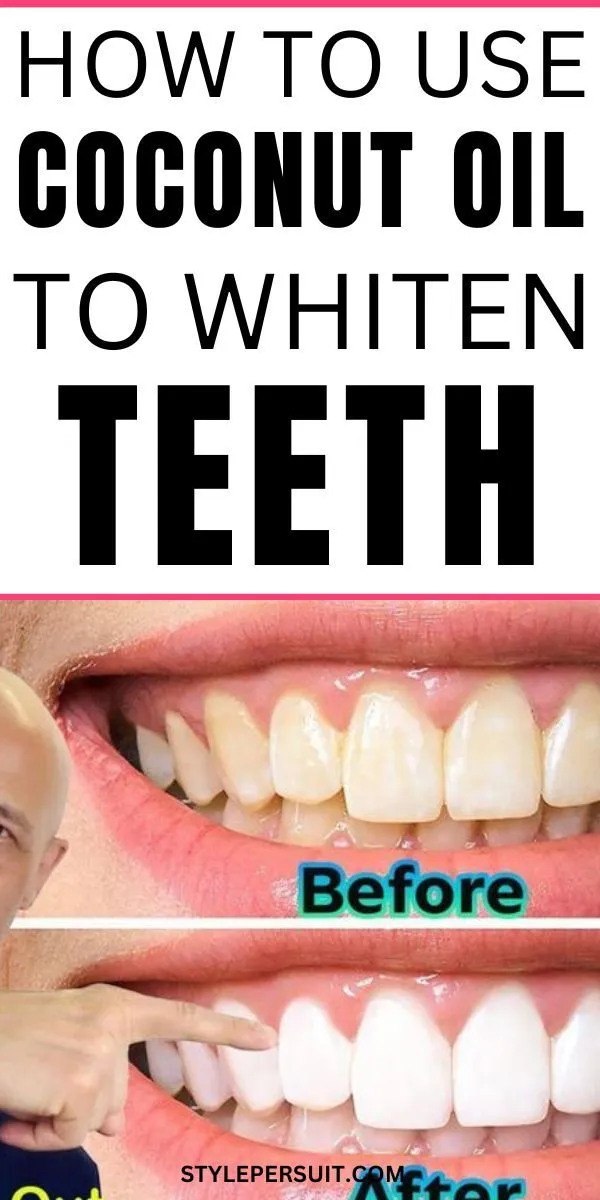
Understanding Cavities & Teeth Whitening
Teeth whitening and cavities are two very common concerns in modern dentistry, often intertwined in the pursuit of a perfect smile. Cavities, also known as dental caries, are areas of tooth decay that develop when plaque buildup on the teeth produces acids that erode the enamel. Teeth whitening, on the other hand, is a cosmetic procedure designed to lighten the color of teeth, often removing stains caused by food, drinks, and aging. Understanding how these two conditions interact is crucial for anyone considering teeth whitening, especially if they have cavities. Proceeding with teeth whitening without addressing cavities can lead to complications, including increased tooth sensitivity, discomfort, and potentially irreversible damage. Therefore, a thorough understanding of both conditions and their implications is paramount to ensure safe and effective teeth whitening practices. It’s about more than just a bright smile it’s about a healthy one.
The Impact of Cavities on Whitening
The presence of cavities significantly impacts the teeth whitening process, often leading to less predictable and potentially harmful outcomes. Cavities create porous areas in the tooth structure where the whitening agent can penetrate deeply, leading to increased sensitivity and, in some cases, damage to the pulp (the soft inner tissue of the tooth containing nerves and blood vessels). Moreover, the whitening agents may exacerbate existing sensitivity in teeth affected by decay. The compromised tooth structure in cavities does not respond to whitening treatments in the same way as healthy enamel, resulting in uneven whitening. While healthy enamel absorbs the whitening agent relatively evenly, decayed areas may whiten too quickly, too slowly, or not at all, leading to an inconsistent and aesthetically unpleasing result. Addressing these concerns is crucial. Whitening treatments might also fail if cavities are present, leading to wasted time and money.
Why Cavities Complicate Whitening

Several factors explain why cavities complicate the teeth whitening process. Primarily, the porous nature of cavities allows the whitening agent to seep directly into the dentin and potentially the pulp of the tooth, causing heightened sensitivity and pain. The whitening agent, which typically contains peroxide, can irritate the nerves in the teeth, especially when the protective enamel is compromised by decay. In addition, the materials used to fill cavities (such as composite resins or amalgams) do not whiten in the same way as natural tooth enamel. This results in a mismatched appearance, where the fillings remain their original color while the surrounding tooth tissue lightens. Moreover, if whitening is attempted before cavities are treated, it can potentially worsen the decay process by allowing the whitening agents to further penetrate and weaken the affected tooth structure. Therefore, dental professionals usually recommend treating all cavities before any whitening procedures to ensure the best possible outcomes.
How Cavities Affect Whitening Results
Cavities significantly affect the results of teeth whitening, often leading to an uneven and aesthetically unsatisfactory outcome. When whitening agents come into contact with decayed areas, they can cause these areas to whiten at a different rate compared to healthy enamel. This differential whitening can result in an irregular appearance, with some parts of the tooth appearing lighter or darker than others. Moreover, fillings or restorations within the cavity will not whiten, leading to a contrast between the treated tooth enamel and the restoration material. For example, composite fillings may remain the original shade, creating a noticeable difference in color. Therefore, individuals with cavities may find that the whitening treatment does not provide the uniform, bright smile they desire, necessitating further dental interventions to address the cavities and achieve a consistent aesthetic result. A professional dental assessment before whitening is essential to plan an effective treatment.
Teeth Whitening Methods and Cavities
Different teeth whitening methods pose varying challenges when cavities are present. Professional whitening procedures, performed by a dentist, often involve higher concentrations of bleaching agents and are typically done in a controlled environment where the dentist can monitor and manage potential sensitivities. However, these treatments still carry risks for individuals with cavities, as the strong whitening agents can exacerbate the problem. At-home whitening kits, which contain lower concentrations of bleaching agents, might seem less risky, but they also require careful consideration. Ill-fitting trays or improper application can lead to the whitening agent coming into contact with the cavities, causing increased sensitivity or uneven whitening. Even over-the-counter whitening toothpaste and strips can pose issues if used by someone with untreated cavities. The abrasive action of the toothpaste and the direct contact of the strips with cavities could cause increased discomfort and inconsistent whitening results. Choosing the right method is important.
Professional Whitening Options for Cavities

When addressing teeth whitening with cavities, professional options offer the safest and most effective solutions. Before any whitening procedure, a dentist will thoroughly examine your teeth, identify and treat any cavities. This often includes removing the decay and filling the affected tooth with a suitable material. Once the cavities are treated, the dentist can proceed with professional whitening. Professional whitening treatments typically involve higher concentrations of bleaching agents applied directly to the teeth under controlled conditions. The dentist can also use protective measures, like isolating the teeth and using a gingival barrier to protect the gums from the bleaching agent. Another important option is internal bleaching for teeth that have undergone root canal treatment and may have darkened due to internal staining. The dentist places the whitening agent inside the tooth, and the tooth lightens from the inside out. Regular check-ups and professional cleanings also help in maintaining the results. A dentist’s expertise guarantees safe and effective results.
At-Home Whitening and Cavities
At-home teeth whitening options present a different set of considerations when cavities are involved. These methods, including over-the-counter whitening strips, gels, and toothpaste, typically contain lower concentrations of bleaching agents compared to professional treatments. However, they still pose risks for individuals with untreated cavities. The direct contact of these agents with cavities can cause increased sensitivity and potentially allow the whitening agent to penetrate deeper into the tooth structure, exacerbating any existing decay. Moreover, the results are often less predictable and uniform compared to professional whitening. It is essential to consult with a dentist before using any at-home whitening products, particularly if you suspect you have cavities. The dentist can assess the condition of your teeth, treat any existing cavities, and offer guidance on the safest and most effective whitening approach. In addition, they can provide custom-fitted trays if you opt for a whitening gel, ensuring proper coverage and minimizing the risk of irritation or uneven results. Safety must be the priority.
Best Practices for Whitening with Cavities
The best practices for whitening teeth with cavities prioritize dental health and safety. The first step is to schedule a comprehensive dental examination with your dentist to identify and treat any existing cavities. This involves removing the decay and filling the affected teeth with appropriate materials. Once the cavities have been addressed, your dentist can evaluate the best approach to teeth whitening, considering your specific needs and oral health. It’s essential to follow all the dentist’s recommendations, including using professionally recommended whitening products and techniques. This may include custom-fitted whitening trays or professional in-office treatments. Moreover, it is critical to maintain excellent oral hygiene practices, including regular brushing, flossing, and routine dental check-ups. Avoid using at-home whitening products without professional guidance. This multi-faceted approach will ensure you can achieve a brighter smile without compromising your dental health. Good oral hygiene is a must.
Consulting Your Dentist about Whitening

Consulting your dentist is the most crucial step when considering teeth whitening, especially if you have any dental issues like cavities. During the consultation, your dentist will conduct a thorough examination of your teeth and gums, assessing your overall oral health. This process includes looking for cavities, gum disease, and other potential issues that could impact the whitening process. Your dentist can recommend the most appropriate whitening method, taking into account the presence of any cavities. For example, they may recommend professional in-office whitening or provide custom-fitted trays for at-home treatments, depending on your specific needs and circumstances. Furthermore, your dentist can provide guidance on how to manage any potential sensitivity during the whitening process and offer advice on maintaining your results. A professional consultation ensures that any teeth whitening procedure is safe, effective, and complements your overall oral health plan. Don’t hesitate to ask any questions and express any concerns you have.
Preventing Future Cavities Post-Whitening
Maintaining a bright, white smile after teeth whitening requires consistent efforts to prevent future cavities. The key to cavity prevention includes diligent oral hygiene practices and regular dental check-ups. Brushing your teeth twice daily with fluoride toothpaste and flossing at least once a day helps remove plaque and food particles that contribute to cavity formation. Limiting your intake of sugary and acidic foods and beverages is another critical factor, as these can erode tooth enamel and increase the risk of decay. Visiting your dentist for regular check-ups and professional cleanings is essential. A dentist can identify early signs of cavities, provide preventive treatments, and address any potential issues before they become serious. Consider the use of fluoride treatments or dental sealants, especially for children and those with a high risk of developing cavities. By adopting these habits, you can protect your investment in teeth whitening and ensure a healthy, radiant smile for years to come. Preventative measures are key to long-term success.