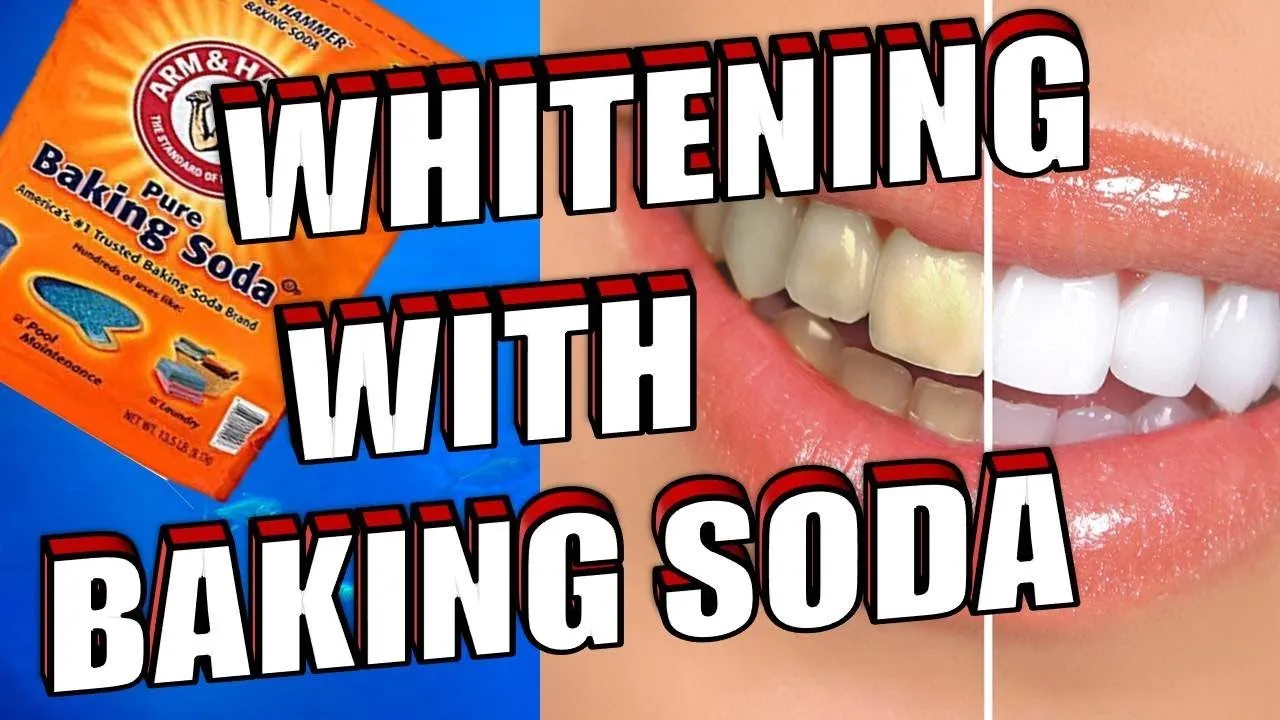
What is Baking Soda Whitening
Baking soda, also known as sodium bicarbonate, is a common household ingredient with a wide range of uses, including teeth whitening. This natural abrasive has gained popularity as a DIY solution for achieving a brighter smile. Its ability to gently scrub away surface stains makes it an appealing option for those seeking a cost-effective teeth-whitening method. However, it is essential to understand how it works, its effectiveness, and the necessary precautions before incorporating it into your oral hygiene routine. Many people are turning to natural remedies, and baking soda has become a frontrunner in this trend. But is it truly effective, and is it safe? The following sections will delve deeper into these questions.
How Baking Soda Whitening Works
Baking soda works as a mild abrasive that helps to remove stains from the surface of your teeth. These stains often come from food, drinks like coffee and tea, and even smoking. As you brush, the tiny particles of baking soda gently scrub away these stains, revealing the natural whiteness of your teeth. It also has a slightly alkaline pH, which can help neutralize acids in your mouth, contributing to a cleaner environment. Although it can remove surface stains, baking soda does not change the intrinsic color of your teeth in the way that professional whitening treatments do. It is a surface cleaner, providing a polishing effect rather than a bleaching one. Understanding this mechanism helps set realistic expectations about the results.
The Effectiveness of Baking Soda for Whitening Teeth

The effectiveness of baking soda for teeth whitening varies from person to person. For some, it can provide noticeable results, especially if used regularly to remove surface stains. Many users report a slight improvement in the brightness of their teeth after consistent use. However, the degree of whitening is usually modest. It’s not a substitute for professional whitening treatments, which use stronger bleaching agents to penetrate the enamel and alter the tooth’s internal color. While baking soda can help remove external stains, it may not be effective for deep-set discoloration or stains caused by medications or underlying dental issues. It is most effective when used in conjunction with good oral hygiene practices such as regular brushing, flossing, and dental check-ups.
Top 5 Baking Soda Whitening Tips for a Brighter Smile
Incorporating baking soda into your oral care routine can be a simple and affordable way to enhance the brightness of your smile. Here are some effective methods, along with essential tips to maximize results and minimize potential risks. These strategies can help you leverage the power of baking soda while prioritizing your oral health. Always use baking soda cautiously and be mindful of your teeth’s sensitivity. A gradual approach is always best when trying any new teeth whitening method.
Mix Baking Soda with Water
This is the most basic method. Simply mix a small amount of baking soda (about a teaspoon) with enough water to form a paste. The consistency should be similar to that of regular toothpaste. Brush your teeth with this paste for about two minutes, then rinse thoroughly. Start with a less abrasive mixture, and gradually adjust to your preference. This basic approach lets you see how your teeth react to baking soda. It’s a good starting point for anyone new to the method. Be sure not to apply too much pressure while brushing to avoid damaging the enamel.
Use Baking Soda and Hydrogen Peroxide

Combining baking soda with hydrogen peroxide can boost the whitening effect. Hydrogen peroxide acts as a mild bleaching agent, and when combined with baking soda’s abrasive qualities, it can provide a more noticeable difference in tooth shade. Mix equal parts baking soda and hydrogen peroxide to form a paste. Brush with this mixture for a couple of minutes, then rinse well. Hydrogen peroxide can be irritating, so start with a low concentration (3%) and use this mixture sparingly. Combining these ingredients can significantly increase the whitening effects, but with added caution.
Combine Baking Soda with Lemon Juice
Lemon juice is another popular ingredient used in DIY teeth whitening, known for its citric acid content. The acidity in lemon juice can help break down stains, but it can also erode enamel if used excessively. Combining a small amount of lemon juice with baking soda creates a paste. Brush your teeth gently with this mixture. Due to the acidity, this method should be used very sparingly. Lemon juice has powerful stain-removing abilities, but it can damage your teeth if used too often. This is the most potent of the combinations, but it comes with the highest risk.
Baking Soda and Coconut Oil Combo
Coconut oil is known for its potential antibacterial and anti-inflammatory properties. When mixed with baking soda, it can create a less abrasive and potentially more gentle whitening paste. Combine a teaspoon of baking soda with a teaspoon of coconut oil to create a paste. Brush your teeth with this mixture for two minutes, and rinse thoroughly. This mixture leverages the abrasive properties of baking soda with the beneficial aspects of coconut oil. This can be a more soothing option compared to other methods and may also improve overall oral health by reducing bacteria.
Brush Gently and Rinse Thoroughly

Regardless of the method you choose, it’s crucial to brush gently to avoid damaging your enamel. Use a soft-bristled toothbrush and avoid applying excessive pressure. After brushing with any baking soda mixture, rinse your mouth thoroughly with water to remove any residue. This helps to prevent prolonged exposure to the abrasive particles. After rinsing, consider brushing again with regular fluoride toothpaste. This will replenish the minerals in your enamel and protect against sensitivity. Proper brushing technique and complete rinsing are essential for any whitening method to be effective and safe.
Safety Precautions when Whitening with Baking Soda
While baking soda is generally safe, there are some safety precautions to consider. It is crucial to use baking soda in moderation. Overuse can lead to enamel erosion and increased sensitivity. Limit the frequency of use to no more than a few times a week. If you experience any discomfort, such as increased sensitivity or pain, discontinue use immediately and consult your dentist. It is also important to be aware of the potential side effects and how to mitigate them. These safety precautions are crucial to ensure that you are prioritizing your oral health alongside your desire for whiter teeth.
Potential Risks and Side Effects of Baking Soda
The primary risk associated with using baking soda for teeth whitening is enamel erosion. Over time, the abrasive nature of baking soda can wear away the protective enamel layer, making your teeth more susceptible to cavities and sensitivity. Other potential side effects include increased tooth sensitivity, gum irritation, and an altered taste in your mouth. Some people may also experience an allergic reaction. If you notice any of these side effects, discontinue use immediately and consult a dentist. Understanding these risks is crucial for making informed decisions about your oral care routine.
Alternatives to Baking Soda Whitening

If you’re looking for alternatives to baking soda for teeth whitening, there are several options. Whitening toothpastes contain mild abrasives and chemicals that can help remove surface stains. Whitening strips are another popular choice, providing a convenient way to apply a bleaching agent directly to your teeth. These strips typically contain a low concentration of hydrogen peroxide. Another option is over-the-counter whitening kits, which offer a more potent bleaching solution. These alternatives provide a range of choices to suit different preferences and needs. Considering these alternatives allows you to choose a method that is both effective and safe for your teeth.
Professional Teeth Whitening Options
For those seeking more dramatic results, professional teeth whitening options are available at your dentist’s office. In-office whitening treatments use stronger bleaching agents, such as high-concentration hydrogen peroxide, to achieve significant whitening in a single session. Your dentist can also create custom-fitted trays for at-home whitening, providing a more personalized approach. These professional treatments offer the most effective results, often with a reduced risk of enamel damage when supervised by a dental professional. Consider consulting your dentist for the best option for your teeth and desired results.
Maintaining a Bright Smile After Whitening
Regardless of the whitening method you choose, maintaining a bright smile requires consistent oral hygiene practices. Regular brushing and flossing are essential to remove food particles and plaque. Avoid consuming staining foods and drinks, such as coffee, tea, red wine, and dark-colored berries, or consume them in moderation. Regular dental check-ups and cleanings are also important to maintain your oral health and keep your teeth looking their best. Following these practices will help to preserve and extend the results of your whitening efforts, ensuring a healthy and attractive smile. A holistic approach to oral care leads to the best results.
In conclusion, while baking soda can be a useful tool for teeth whitening, it should be used with caution and in moderation. Its effectiveness is limited, and there are potential risks associated with overuse. By understanding how baking soda works, following safety precautions, and considering alternative options, you can make informed decisions about your oral care routine. Always prioritize your dental health, and consult with your dentist for personalized advice and professional treatments.