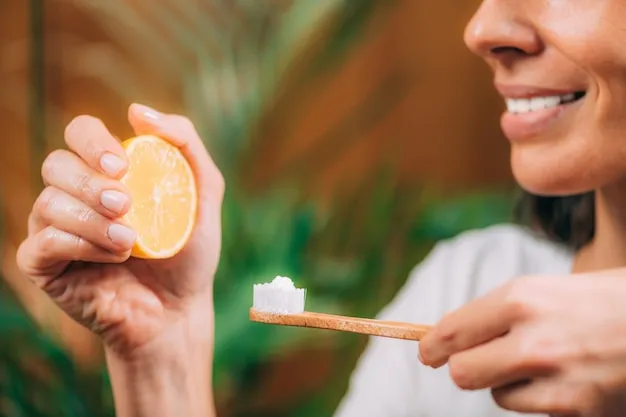
What is Baking Soda and How Does it Whiten Teeth
Baking soda, or sodium bicarbonate, is a common household ingredient known for its versatility. Beyond its use in baking, it’s often touted as a natural teeth whitener. But how does this simple compound work its magic on our pearly whites? The key lies in its mild abrasive properties and its ability to create a slightly alkaline environment in the mouth. When used correctly, baking soda can help remove surface stains from teeth, leading to a brighter smile. However, it’s important to understand the science and potential risks involved before incorporating it into your oral hygiene routine. This guide will explore the mechanisms behind baking soda’s whitening effects and provide a comprehensive overview of its use.
Understanding the Science Behind Baking Soda
To understand how baking soda whitens teeth, it’s crucial to delve into the science. Baking soda primarily works through a combination of physical and chemical actions. Its slightly abrasive nature helps scrub away surface stains caused by foods, drinks, and tobacco. At the same time, it helps neutralize acids in the mouth. These acids contribute to enamel erosion and discoloration. Moreover, baking soda has a high pH level, creating an alkaline environment that can help inhibit the growth of bacteria, further contributing to overall oral health. This multifaceted approach makes baking soda an accessible and relatively effective option for at-home teeth whitening. However, it’s crucial to note that these effects are primarily on surface stains and not on intrinsic discoloration.
Baking Soda’s Abrasive Action

The abrasive nature of baking soda is central to its teeth-whitening capabilities. When used correctly, the fine particles of baking soda gently scrub the tooth surface, dislodging and removing stains. This is similar to how a professional dental cleaning polishes teeth. The key is to use baking soda carefully to avoid damaging the enamel. Excessive force or frequent use can lead to enamel erosion and increased tooth sensitivity. It’s important to understand that baking soda is not as abrasive as some commercial whitening products. However, it’s still important to use it with caution and moderation. This mechanical action is effective for removing stains from coffee, tea, and other common stain-causing agents, leading to a brighter smile.
The Role of pH in Teeth Whitening
Baking soda’s alkaline nature also plays a significant role in its whitening effects. The pH scale measures the acidity or alkalinity of a substance. Baking soda has a pH higher than 7, making it alkaline. This alkalinity helps neutralize acids in the mouth. Acids, often produced by bacteria and present in the foods we eat, can erode enamel, making teeth more susceptible to staining and discoloration. By creating a more alkaline environment, baking soda helps to counteract these acids, promoting a healthier oral environment. This is not only beneficial for whitening but also for overall oral health. It helps to reduce the risk of tooth decay and gum disease. This is a crucial aspect of understanding how baking soda contributes to a brighter and healthier smile.
Preparing for Baking Soda Teeth Whitening
Before you begin using baking soda for teeth whitening, it’s essential to prepare properly to ensure both effectiveness and safety. This involves assessing your oral health, gathering the necessary supplies, and understanding the correct techniques. A proactive approach can minimize the risk of potential side effects and maximize the benefits of this at-home method. Always consult with your dentist before starting any new teeth-whitening regimen. They can provide personalized advice based on your specific oral health needs. This step is crucial for anyone considering baking soda whitening. It ensures that you are making an informed decision. Remember, safety should always be your primary concern when it comes to your dental health.
Assessing Your Current Dental Health

Before incorporating baking soda into your oral hygiene routine, it is crucial to assess your current dental health. This assessment helps determine if baking soda whitening is suitable for you. Check for any existing dental issues such as cavities, gum disease, or sensitive teeth. If you have any of these conditions, it’s important to consult your dentist before proceeding. Baking soda can exacerbate these issues and cause further complications. Additionally, assess the current shade of your teeth and the nature of any existing stains. Understanding your baseline is key to tracking your progress and managing your expectations. A healthy starting point ensures the best outcomes and minimizes potential risks. This proactive approach helps maintain the health of your teeth.
Gathering Necessary Supplies
To effectively and safely whiten your teeth with baking soda, you’ll need a few essential supplies. These items are readily available and inexpensive. First, you’ll need a box of baking soda, ensuring it is fresh. Make sure to choose a fine-grained baking soda for optimal results. Next, you’ll need a small bowl or container for mixing, and a toothbrush with soft bristles. Using a soft-bristled brush helps minimize abrasion to the enamel. You may also want a small cup of water to rinse. Consider having a timer to keep track of the brushing duration. This simple preparation ensures you are well-equipped to begin your at-home teeth whitening journey. Remember to store your baking soda in a dry place to maintain its effectiveness. Using these supplies will help you maximize the whitening effects.
Step-by-Step Guide to Using Baking Soda
Using baking soda for teeth whitening involves several simple steps. It is important to follow these steps accurately to achieve the best results. Each step is designed to maximize effectiveness and minimize the risk of side effects. Consistent adherence to this method will help you on your journey to a brighter smile. This guide provides you with a safe and efficient method. Remember that patience and consistency are key. Over time, your teeth should become noticeably whiter. Following these steps will ensure you’re applying the treatment safely and effectively. Always listen to your body and stop if you experience any discomfort.
Mixing Baking Soda with Water

The first step involves mixing baking soda with water to create a paste. Place a small amount of baking soda into your mixing container. Add just enough water to form a thick, but not too watery, paste. The consistency should be similar to that of toothpaste. Ensure that the baking soda is fully dissolved. This will prevent any large particles from causing unnecessary abrasion. The correct ratio of baking soda to water is essential for optimal performance and safety. The paste should be thick enough to stick to your toothbrush and teeth without dripping. A well-mixed paste ensures that you apply the right amount of baking soda for effective whitening. This method helps you create a safe and efficient whitening agent.
Applying the Mixture to Your Teeth
Once you have created your baking soda paste, it’s time to apply it to your teeth. Using your soft-bristled toothbrush, gently scoop a small amount of the paste. Apply it evenly to the surfaces of your teeth. Make sure to cover all areas, including the front, back, and chewing surfaces. Be careful not to apply too much pressure. The goal is to gently scrub away stains. Ensure even coverage to ensure consistent whitening across your entire smile. This methodical application is a crucial part of the process. Consistent and thorough application is essential for noticeable results. Take your time to ensure the entire surface is covered.
Brushing Technique for Optimal Results
The brushing technique is crucial to safely and effectively using baking soda. Use gentle, circular motions to brush all surfaces of your teeth. Avoid scrubbing aggressively, which can damage your enamel. Aim for a duration of approximately two minutes. The American Dental Association recommends this time. Use a timer to keep track. Focus on brushing all the surfaces. Once your teeth are completely covered, maintain the brushing for the entire duration. Ensure you reach all areas. Proper technique is essential to prevent damaging your teeth. Maintain consistent brushing to ensure uniform results. Gentle yet thorough brushing is key to removing surface stains. It also maintains the health of your teeth.
Rinsing and Aftercare

After brushing with baking soda, thoroughly rinse your mouth with water. Ensure that all traces of the baking soda paste are removed. This step is crucial to prevent any residual abrasion. After rinsing, brush your teeth with regular fluoride toothpaste. This will help remineralize your enamel. It will also provide additional protection. For best results, avoid eating or drinking for at least 30 minutes after whitening. This will allow the enamel to fully recover. Remember that consistent and proper rinsing is crucial for oral health. Consider using an antibacterial mouthwash after brushing. This added step helps to kill any remaining bacteria.
Potential Risks and Side Effects
While baking soda can be an effective teeth whitener, it’s important to be aware of potential risks and side effects. Overuse or improper use can lead to adverse outcomes, so it’s crucial to understand the precautions. Being informed can help you make safe and effective decisions. Always prioritize your oral health. If you experience any of these symptoms, seek professional dental advice. Moderation is key. Always follow recommended guidelines to minimize any risks. This will help you avoid potential complications while maintaining a healthy smile. Addressing potential risks is critical. Proper care will ensure both efficacy and safety.
Tooth Sensitivity and Gum Irritation
One of the most common side effects of using baking soda for teeth whitening is increased tooth sensitivity. The abrasive action of baking soda can wear down the enamel, exposing the dentin underneath. This exposure makes the teeth more sensitive to hot and cold foods and drinks. If you experience this, reduce the frequency of use and consider using a toothpaste designed for sensitive teeth. Additionally, baking soda can cause gum irritation in some individuals. This irritation may manifest as redness, swelling, or bleeding. If you notice these signs, discontinue use and consult your dentist. Proper brushing technique and moderation can minimize these effects. Always prioritize your comfort and oral health.
Enamel Erosion and Long-Term Damage

Overuse of baking soda can lead to enamel erosion, causing long-term damage to your teeth. Enamel is the hard, protective outer layer of the teeth. Once it’s eroded, it cannot be replaced. Enamel erosion increases your risk of cavities, tooth decay, and other dental problems. This damage can lead to permanent tooth sensitivity and discoloration. Therefore, it’s crucial to use baking soda sparingly and to avoid brushing too hard. It’s important to use baking soda as part of a well-rounded oral hygiene regimen. Consider using fluoride toothpaste to help remineralize your enamel. Be mindful of the frequency. Frequent use can be harmful in the long run. Seek advice from a dentist if you have any concerns.
Alternatives to Baking Soda for Teeth Whitening
If you’re seeking alternatives to baking soda for teeth whitening, there are numerous options available, ranging from professional treatments to over-the-counter products. Each method has its own set of benefits, drawbacks, and suitability for different individuals. Explore these alternatives to find the option that best aligns with your needs and preferences. Always consult with your dentist to determine the most appropriate choice for your oral health. A professional evaluation can help you make informed decisions. Remember that your dentist can provide advice and guidance tailored to your unique situation. This will ensure your smile is bright and healthy.
Professional Teeth Whitening Options
Professional teeth whitening treatments, performed by a dentist, are the most effective way to achieve dramatic and long-lasting results. These treatments typically involve the use of a higher concentration of whitening agents. This professional setting ensures the treatment is safe and controlled. In-office whitening can lighten teeth several shades in a single visit. Your dentist can also address specific concerns and provide personalized advice. Professional whitening offers superior results. Consider this option if you’re seeking rapid and significant improvements. Regular dental check-ups are essential to maintaining the health of your teeth. This provides both a brighter and healthier smile.
Natural Alternatives to Baking Soda

For those who prefer natural methods, several alternatives to baking soda can help brighten teeth. Activated charcoal is a popular choice. It’s known for its ability to absorb stains. However, use it with caution due to its abrasive nature. Coconut oil pulling is another option. This method involves swishing coconut oil around your mouth to remove bacteria and toxins. Some people also use hydrogen peroxide. This is often mixed with baking soda for whitening. Always consult with your dentist. They can offer tailored recommendations. Each option has its potential benefits and risks. Choosing the right method for your specific oral health needs is crucial. Natural alternatives provide a gentler approach to teeth whitening.
Maintaining Your White Smile
Achieving a whiter smile is only half the battle. Maintaining your results requires consistent oral hygiene and certain lifestyle adjustments. Following these practices can help you keep your teeth bright and healthy for a longer period. Incorporate these steps into your daily routine. This will help ensure your smile stays brilliant. Always remain committed to your oral health. Proper care will maintain your white smile. Long-term maintenance is crucial for sustaining a beautiful smile. Maintaining a white smile needs daily effort and discipline.
Oral Hygiene Practices to Enhance Whitening
Consistent oral hygiene is the cornerstone of maintaining a white smile. Brush your teeth at least twice a day with a fluoride toothpaste. Floss daily to remove plaque and food particles from between your teeth. Consider using an antibacterial mouthwash to kill bacteria and freshen your breath. Regular dental check-ups and professional cleanings are also essential. These appointments help remove stubborn stains. They also help identify potential dental issues early on. Properly brushing and flossing will help remove surface stains and prevent new ones from forming. Follow this to keep your teeth looking their best. Combine these practices to enhance your whitening efforts. Good oral hygiene will contribute to a healthy and bright smile.
Dietary Considerations for a Brighter Smile

Your diet plays a significant role in maintaining a white smile. Certain foods and drinks can stain your teeth. Consider limiting or avoiding these stain-causing culprits to help maintain your results. Coffee, tea, red wine, and dark-colored sodas are notorious for staining teeth. Tobacco use should also be avoided. Foods like berries and tomato-based sauces can also contribute to staining. Incorporating foods rich in calcium and phosphorus can help strengthen your teeth. Drinking plenty of water is crucial. It helps rinse away food particles and prevent stains. Being mindful of your dietary choices can help you maintain your bright smile. A healthy diet helps maintain your white teeth.