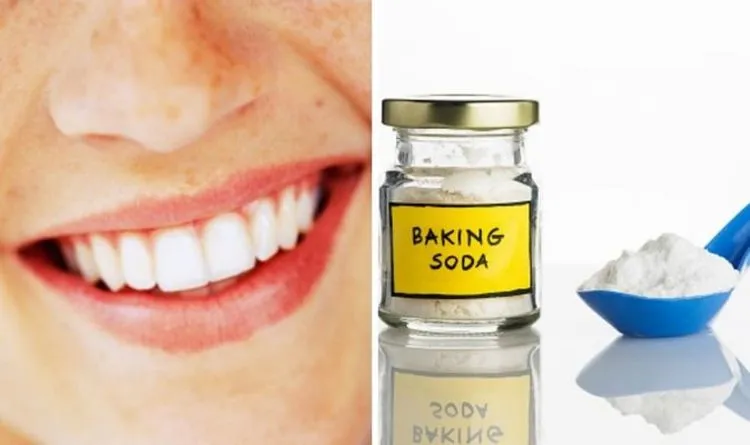
Why Use Baking Soda for Teeth Whitening?
In the quest for a brighter, more confident smile, many people turn to various teeth whitening methods. Among the most accessible and budget-friendly options is using baking soda. Baking soda, or sodium bicarbonate, is a common household item with a multitude of uses, including cleaning and deodorizing. Its mild abrasive properties make it a popular choice for those seeking a natural teeth whitening remedy. The appeal of baking soda lies in its ease of use and the potential to whiten teeth without the high costs associated with professional treatments. This article explores the effectiveness, benefits, and potential drawbacks of utilizing baking soda for teeth whitening, providing a comprehensive guide for those considering this DIY approach.
The Science Behind Baking Soda’s Whitening Effect
Understanding how baking soda works to whiten teeth involves examining its chemical and physical properties. Baking soda acts as a mild abrasive, gently scrubbing away surface stains and plaque that accumulate on the enamel. These stains often result from consuming staining foods and drinks, such as coffee, tea, and red wine. The abrasive action helps to remove these external stains, leading to a perception of whiter teeth. Moreover, baking soda has a slightly alkaline pH, which can neutralize acids in the mouth. These acids, produced by bacteria, can contribute to enamel erosion and staining. By creating a less acidic environment, baking soda helps to protect the teeth from further damage and discoloration. The effectiveness is mainly due to its mechanical action rather than any inherent bleaching properties.
How Baking Soda Works to Whiten Teeth

Baking soda’s whitening mechanism is primarily physical. It’s a mild abrasive that helps to polish the teeth, removing surface stains. When applied to the teeth, baking soda can gently scrub away the buildup of plaque and stain molecules. This process does not change the inherent color of the tooth enamel but removes the discoloration. Baking soda also has a slight chemical effect, contributing to a cleaner oral environment. It can help to disrupt the bacterial environment, which can contribute to stain formation and enamel damage. This dual action of physical removal and chemical neutralization makes baking soda a viable option for teeth whitening. The abrasive properties are not overly harsh, making it suitable for regular use when used with care.
The Effectiveness of Baking Soda
The effectiveness of baking soda for teeth whitening can vary depending on the individual and the severity of the stains. While it is effective for removing surface stains and improving the brightness of teeth, it is not as powerful as professional whitening treatments or those containing hydrogen peroxide. People with mild surface stains may see noticeable results after a few weeks of consistent use. However, for those with deep-seated stains, such as those caused by tetracycline antibiotics or intrinsic discoloration, baking soda may have a limited impact. In such cases, professional treatments are more likely to yield the desired results. Results also depend on the correct technique and the frequency of use. It is important to manage expectations and understand that baking soda is a gentle whitening method.
Pros and Cons of Using Baking Soda
Before incorporating baking soda into your oral hygiene routine, it’s important to consider both the benefits and potential drawbacks. A balanced perspective will help you make an informed decision and manage your expectations. Baking soda is a cost-effective, easily accessible teeth whitening solution with some potential side effects and limitations. The advantages and disadvantages need to be understood to incorporate it safely and effectively.
Pros of Baking Soda Teeth Whitening

The primary benefit of using baking soda for teeth whitening is its accessibility and affordability. Baking soda is readily available in most households and supermarkets, making it a convenient option. It is also significantly cheaper than professional whitening treatments or over-the-counter whitening products. In addition to its cost-effectiveness, baking soda is a mild abrasive, which helps in gently removing surface stains without damaging the enamel, provided it is used correctly. Many users also appreciate that it is a natural remedy, free from the harsh chemicals found in some whitening products. This can be particularly appealing to those seeking a more organic approach to oral care. Regular use can contribute to improved oral hygiene.
Cons of Baking Soda Teeth Whitening
While baking soda offers several advantages, it also has potential downsides. The primary concern is its abrasive nature, which, if used excessively or incorrectly, can lead to enamel erosion. This erosion can make the teeth more susceptible to cavities and sensitivity. Some people may experience increased tooth sensitivity when using baking soda, particularly if they already have sensitive teeth. The whitening effects are typically subtle and may not be sufficient for those with significant staining. Furthermore, baking soda does not address intrinsic stains within the tooth structure, requiring more intensive treatments. It is essential to use it cautiously and in moderation to minimize potential risks and maximize benefits.
Step-by-Step Guide to Baking Soda Teeth Whitening
For those who decide to try baking soda for teeth whitening, following a proper method is crucial to achieve the best results while minimizing the risk of potential harm. Here’s a step-by-step guide for using baking soda safely and effectively. Ensure that you have the right materials, proper technique, and appropriate frequency to maximize the benefits while minimizing risks.
Step 1 Preparing Your Materials
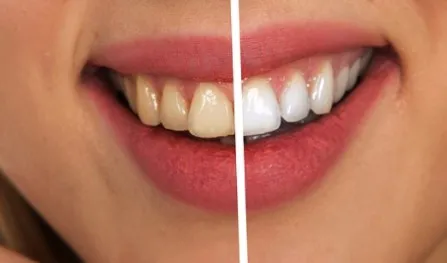
Gathering the necessary materials is the first step in preparing for baking soda teeth whitening. You’ll need baking soda, a small bowl or container, and water. You may also want a toothbrush, preferably one with soft bristles, to minimize abrasion. Ensure the baking soda is pure and not mixed with other ingredients. A clean bowl helps in mixing the paste hygienically. Make sure to have easy access to water for rinsing. This preparation ensures a smooth and effective application of the baking soda paste.
Step 2 Mixing the Baking Soda Paste
Creating the baking soda paste involves combining baking soda with water to achieve a consistency suitable for brushing. Start by placing a small amount of baking soda in the bowl, typically about one teaspoon. Add water, a few drops at a time, and mix thoroughly until a paste forms. The consistency should be thick enough to stick to your toothbrush but not too gritty. Adjust the amount of water to achieve the desired texture. Ensure the paste is smooth to avoid excessive abrasion during brushing. A well-mixed paste is key to effective and safe teeth whitening.
Step 3 Applying the Paste to Your Teeth
Once the paste is prepared, the next step is to apply it to your teeth. Using your toothbrush, gently scoop a small amount of the baking soda paste. Apply the paste to your teeth, ensuring complete coverage of all surfaces. Avoid applying excessive pressure to prevent enamel damage. The goal is to coat your teeth with a thin layer of the paste. The gentle application is the key to its safety. Proper application helps to evenly distribute the baking soda and maximize its whitening effect.
Step 4 Brushing Technique for Optimal Whitening

The brushing technique is essential for effective and safe teeth whitening with baking soda. Use gentle, circular motions, and avoid scrubbing vigorously. Focus on each tooth surface, ensuring you reach all areas. Brush for about two minutes, mimicking the recommended brushing time with regular toothpaste. Pay special attention to areas with visible stains. Rinse your mouth thoroughly with water to remove any remaining paste. A proper technique ensures that the baking soda effectively removes stains while minimizing the risk of enamel damage.
Step 5 Rinsing and Aftercare
After brushing with the baking soda paste, the final step is rinsing and aftercare. Rinse your mouth thoroughly with water to remove any remaining paste. You can also use regular toothpaste to brush your teeth again, particularly if you do not like the taste of baking soda. After rinsing, pay attention to any sensitivity or discomfort. If you experience increased sensitivity, reduce the frequency of use. Regular dental check-ups are important to ensure your teeth remain healthy. Proper aftercare ensures that you maintain oral health.
Tips for Maximizing Results
To maximize the results of baking soda teeth whitening, consider the following tips. Use the paste consistently but in moderation. Avoid excessive brushing to prevent enamel erosion. Combine it with other oral hygiene practices, like regular flossing and a balanced diet. Maintain a consistent oral care routine to enhance the whitening effect. Use the method no more than a few times per week. Monitor your teeth for any signs of sensitivity or damage. These tips can help you achieve the desired results. Consistency and proper technique are key to success.
Frequency of Use and Potential Side Effects

Understanding the appropriate frequency of use and potential side effects is crucial when using baking soda for teeth whitening. It is generally recommended to use baking soda sparingly, typically once or twice a week, to minimize the risk of enamel erosion. Excessive use can lead to increased tooth sensitivity, damage to the enamel, and gum irritation. If you experience any adverse effects, such as increased sensitivity, discontinue use and consult your dentist. Regular dental check-ups are essential to monitor your oral health. Being mindful of the frequency of use and potential side effects can help you maintain a healthy and bright smile.
When to Consult a Dentist
It’s essential to know when to seek professional dental advice while using baking soda for teeth whitening. Consult your dentist if you experience increased tooth sensitivity, gum irritation, or any other oral health concerns. They can assess the condition of your teeth and provide appropriate guidance. It is especially important to see a dentist if you have pre-existing dental issues, such as cavities or enamel erosion. The dentist can recommend alternative whitening methods and address any underlying dental problems. A dentist can also offer professional teeth whitening treatments. Regular check-ups are crucial to ensure your oral health.
Alternative Teeth Whitening Methods
If baking soda doesn’t meet your whitening needs, several alternative methods are available. Over-the-counter whitening products, such as whitening strips and toothpastes, are widely accessible and offer varying degrees of whitening. Professional teeth whitening treatments, conducted by a dentist, are often the most effective and can provide significant results. Other options include using activated charcoal, hydrogen peroxide, and oil pulling. Always discuss these alternatives with your dentist to determine the most suitable approach for your specific needs and oral health. These alternatives offer different levels of effectiveness and come with their own set of advantages and disadvantages.
Maintaining Your Bright Smile

Once you’ve achieved a brighter smile, maintaining it requires consistent oral hygiene practices and lifestyle choices. Brush your teeth twice a day with fluoride toothpaste. Floss daily to remove plaque and food particles. Limit the consumption of stain-causing foods and drinks, such as coffee, tea, and red wine. Regular dental check-ups and cleanings are crucial to maintaining your oral health and removing any accumulated stains. Consider using a whitening toothpaste as part of your routine. These measures will help you enjoy a bright and healthy smile for years to come. Consistent maintenance ensures that you can continue to flash your radiant smile.