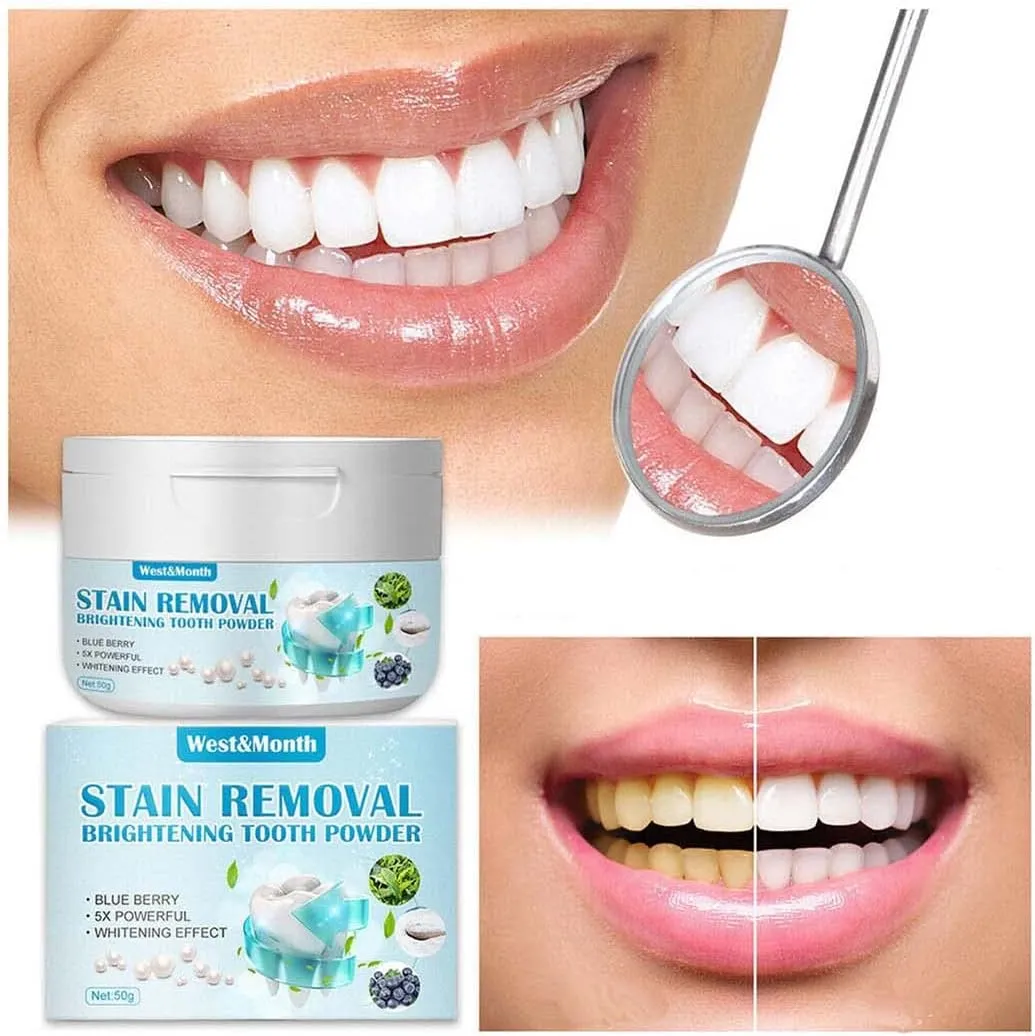
What is Baking Soda Teeth Whitening?
Baking soda teeth whitening is a popular DIY method for achieving a brighter smile. It involves using sodium bicarbonate, commonly known as baking soda, to remove stains and discoloration from the surface of your teeth. Many people turn to this method as an accessible and affordable alternative to professional teeth whitening treatments or commercial products. Baking soda is a mild abrasive, which means it can help to scrub away surface stains caused by coffee, tea, wine, and other foods and beverages. It also has natural whitening properties, which can help to brighten the overall appearance of your teeth over time. However, it is important to approach baking soda teeth whitening with caution and to understand its potential benefits and risks before trying it.
How Does Baking Soda Whiten Teeth?
The whitening effect of baking soda is primarily due to its mild abrasive qualities and its ability to alter the pH balance in your mouth. As a mild abrasive, baking soda gently scrubs the surface of your teeth, helping to remove plaque, debris, and surface stains. This physical action is what gives the appearance of whiter teeth, as it eliminates the staining agents. Furthermore, baking soda is alkaline, meaning it can neutralize acids in your mouth. These acids are produced by bacteria and contribute to the erosion of enamel, which can make teeth appear dull and discolored. By neutralizing these acids, baking soda helps to maintain a healthier oral environment and can indirectly contribute to a brighter smile. The abrasive nature is why it is important to use baking soda sparingly.
The Time It Takes for Baking Soda to Whiten Teeth

The timeframe for seeing results with baking soda teeth whitening varies significantly from person to person. Some individuals might notice a slight improvement in the brightness of their teeth after a few uses, while others may not see any visible changes. The duration of the treatment depends on factors like the severity of the stains, the frequency of use, and the individual’s oral health. Generally, you can expect to see subtle changes over several weeks or months of consistent use. It is crucial to manage expectations and understand that baking soda is not as powerful as professional whitening treatments. Patience and consistency are key, but if you do not see any improvements after a reasonable amount of time, it is best to consult with a dentist.
Factors Influencing Baking Soda Teeth Whitening Time
Several factors can influence how quickly you see results from baking soda teeth whitening. The type and severity of stains play a significant role. Surface stains from coffee, tea, or tobacco are more likely to respond to baking soda treatment than intrinsic stains, which are deeper and may require professional intervention. Your oral hygiene habits also matter. Regular brushing, flossing, and dental check-ups can enhance the effectiveness of baking soda and contribute to overall oral health. Furthermore, the concentration and frequency of baking soda usage affect the outcome. Using too much baking soda or brushing too aggressively can damage tooth enamel and should be avoided. Genetics also have a role, with some individuals naturally having whiter teeth. All these aspects combined contribute to the total time it takes to see the result.
Frequency and Dosage of Baking Soda Whitening
It is important to use baking soda sparingly to avoid damaging your tooth enamel. The recommended frequency is typically once or twice a week. Using it more often than this can lead to enamel erosion and increased sensitivity. When mixing baking soda with water, use a ratio of one part baking soda to two parts water to form a paste. Apply a small amount of this paste to your toothbrush and brush gently, using small circular motions. Brush for about two minutes, and then rinse thoroughly with water. Be cautious not to apply too much pressure while brushing, as this can also contribute to enamel damage. Over time, evaluate the condition of your teeth and consider consulting with a dentist for professional advice.
Step-by-Step Guide to Baking Soda Teeth Whitening

Follow these simple steps to use baking soda for teeth whitening. First, gather your supplies including baking soda, water, a small bowl, and a toothbrush. Next, mix about a teaspoon of baking soda with enough water to form a paste. You want the consistency to be thick enough to stick to your toothbrush but not too gritty. Then, apply the paste to your toothbrush and brush your teeth gently, using small circular motions. Be sure to cover all surfaces of your teeth. Brush for about two minutes. Finally, rinse your mouth thoroughly with water to remove all traces of the baking soda paste. You can also brush your teeth with regular toothpaste afterward for added cleaning and fresh breath. Remember to only do this once or twice a week.
Baking Soda Whitening Recipe
While baking soda alone can be effective, some people experiment with other ingredients to enhance its whitening properties. One popular recipe involves mixing baking soda with hydrogen peroxide. Hydrogen peroxide is a mild bleaching agent that can help to further lighten tooth stains. The suggested ratio is usually one teaspoon of baking soda to one teaspoon of 3% hydrogen peroxide, mixed to form a paste. Another option includes mixing baking soda with a small amount of lemon juice. However, due to the acidity of lemon juice, this mixture should be used with extreme caution and sparingly, as it can erode enamel. Always research and consult with a dentist before attempting these recipes, as the safety and effectiveness can vary.
Precautions and Potential Risks of Baking Soda Whitening
While baking soda is generally safe when used correctly, there are potential risks to be aware of. Overuse can lead to enamel erosion, making your teeth more vulnerable to cavities and sensitivity. The abrasive nature of baking soda can also irritate the gums and cause them to recede over time. People with sensitive teeth or existing dental issues should be especially cautious and consult a dentist before trying this method. It is also essential to note that baking soda does not work on all types of stains. Intrinsic stains, which are deeper and originate from within the tooth, are less likely to respond to baking soda treatment and may require professional whitening options. Always prioritize your dental health by staying within the recommended usage guidelines and seeking professional dental advice when necessary.
Alternatives to Baking Soda Teeth Whitening

If you are looking for alternatives to baking soda teeth whitening, there are several options available. Whitening toothpaste containing mild abrasives and hydrogen peroxide can help to remove surface stains and brighten teeth. Over-the-counter whitening strips are another popular choice, offering a convenient way to whiten teeth at home. For more dramatic results, professional teeth whitening treatments performed by a dentist are the most effective option. These treatments use stronger bleaching agents and can provide significant and rapid whitening. Additionally, maintaining good oral hygiene practices, such as regular brushing, flossing, and dental check-ups, is crucial for maintaining a bright and healthy smile. Consider all these options and consult with your dentist to determine the best approach for your individual needs and oral health.