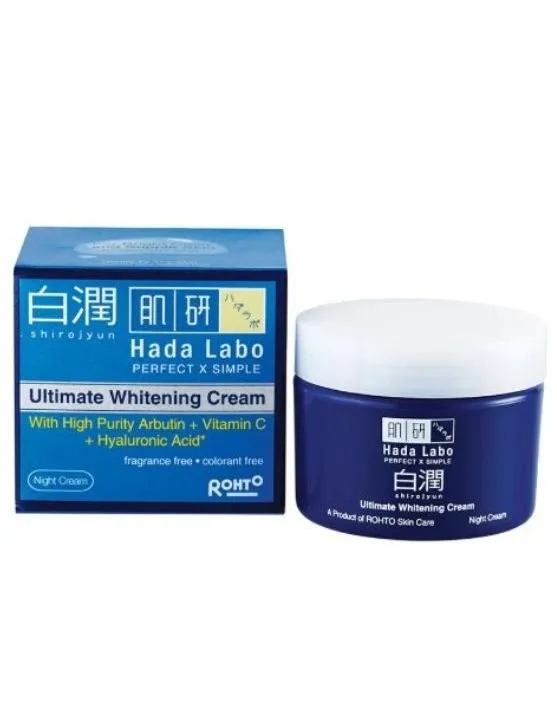
What is Arbutin Whitening Cream?
Arbutin whitening creams have gained significant popularity in the skincare industry as a solution for achieving a brighter, more even complexion. But what exactly is arbutin, and how does it work? Arbutin is a naturally occurring derivative of hydroquinone, found in plants like bearberry, cranberry, and pear. Unlike hydroquinone, arbutin is considered a gentler alternative, making it a preferred choice for those seeking skin lightening benefits without harsh side effects. These creams typically come in various formulations, including serums, lotions, and creams, all designed to be incorporated into your daily skincare routine. Understanding the core components of these creams is essential before integrating them into your daily regimen. The goal is to inhibit melanin production, the pigment responsible for dark spots and uneven skin tone, leading to a more luminous appearance. Whether you’re dealing with sunspots, age spots, or post-acne marks, arbutin creams offer a promising approach to skin brightening. The choice of an effective arbutin cream requires careful consideration of the product’s formulation, additional ingredients, and the specific skin concerns you wish to address.
How Does Arbutin Work on Skin?
The magic behind arbutin’s effectiveness lies in its mechanism of action. Arbutin works by inhibiting tyrosinase, an enzyme that plays a crucial role in melanin production. Melanin is the pigment responsible for the color of our skin, hair, and eyes. When tyrosinase is blocked, melanin production decreases, which leads to a reduction in dark spots and an overall lightening of the skin. There are two primary forms of arbutin: alpha-arbutin and beta-arbutin. Alpha-arbutin is considered the more stable and effective form because it releases the active compound more efficiently. When you apply an arbutin cream, the arbutin is absorbed into the skin. This then interacts with the melanocytes, the cells that produce melanin. This process helps to gradually fade existing dark spots and prevent the formation of new ones. It’s a gradual process, so consistency in application is key to seeing noticeable results. Understanding the underlying science behind arbutin’s actions enables you to appreciate the value of incorporating such skincare products into your daily routine. The goal is to not only brighten your complexion but also to improve your skin health and protect it from further damage. This makes it a powerful ally in your quest for healthier skin.
Benefits of Using Arbutin Cream

Arbutin creams offer a multitude of benefits, making them a valuable addition to any skincare routine. One of the primary advantages is their ability to lighten dark spots, such as those caused by sun damage, aging, or acne scars. By inhibiting tyrosinase, arbutin prevents the overproduction of melanin, leading to a more even skin tone. Many users find their complexions look brighter and more radiant with regular use. Another significant benefit is arbutin’s gentleness. Unlike some other skin-lightening agents, arbutin is generally well-tolerated, making it suitable for various skin types, including sensitive skin. It has a lower risk of causing irritation, redness, or dryness compared to other alternatives. Additionally, arbutin can help improve overall skin appearance by promoting a smoother texture and reducing the visibility of fine lines and wrinkles. Some formulations also include antioxidants that protect the skin from environmental stressors and free radical damage. Incorporating an arbutin cream can also improve the effectiveness of other skincare products, as a more even skin tone allows for better absorption of active ingredients. When choosing an arbutin product, it is essential to consider the specific skin concerns you want to address. This ensures you select a product that aligns with your personal skin health goals.
Choosing the Right Arbutin Cream
Selecting the right arbutin whitening cream involves a series of factors to ensure you achieve the desired results and minimize potential adverse effects. First, consider the concentration of arbutin. Most products range from 1% to 2% arbutin, which is generally considered safe and effective. Starting with a lower concentration is advisable, particularly if you have sensitive skin, allowing you to gradually increase the strength as needed. Secondly, pay close attention to the product’s formulation. Serums often contain higher concentrations and can penetrate deeper into the skin, while creams provide more moisture and are suitable for dry skin. Look for additional ingredients that complement arbutin’s effects, such as hyaluronic acid for hydration, vitamin C for antioxidant protection, and niacinamide for its anti-inflammatory properties. Thirdly, carefully review the product’s ingredient list to avoid potential allergens or irritants. This is crucial if you have a history of skin sensitivities. Also, research the brand’s reputation and read reviews from other users to understand their experiences. This helps in assessing the product’s efficacy and whether it suits your skin type. Lastly, consider the type of packaging. Air-tight containers or opaque bottles are beneficial to protect the active ingredients from light and air exposure, thereby maintaining their effectiveness. Selecting the right arbutin cream involves a process of careful evaluation, personal experimentation, and an understanding of the interplay of active compounds, skin type, and personal goals.
Types of Arbutin Creams
Arbutin creams come in various formulations, each designed to cater to different skin types and preferences. Serums are a popular option. They are often lightweight and quickly absorbed, making them ideal for layering under moisturizers. Serums usually contain a higher concentration of active ingredients. Creams are another common form, offering more moisture and are suitable for dry or mature skin. They often include additional hydrating ingredients like ceramides and emollients, which help to lock in moisture and support the skin barrier. Lotions provide a lighter alternative to creams, suitable for those who prefer a less rich texture. They are ideal for use during warmer months or on oily skin. Masks, which are often used once or twice a week, can provide an intensive treatment. These can be left on for a longer period to allow the active ingredients to penetrate more deeply. There are also combination products that incorporate arbutin with other active ingredients. Some are designed to target multiple skin concerns. For example, some contain vitamin C for brightening, or hyaluronic acid for hydration. Selecting the right type of arbutin cream depends largely on your skin type, personal preferences, and the specific concerns you aim to address. Trying different types can help you find the best fit for your skin.
Ingredients to Look for in Arbutin Cream

When choosing an arbutin whitening cream, it’s essential to carefully examine the ingredient list to ensure the product is effective and safe for your skin. Alpha-arbutin is the form you should be prioritizing, as it is the more stable and potent version. Apart from arbutin, look for ingredients that support skin health and enhance the brightening effects. Vitamin C is a powerful antioxidant that protects the skin from free radical damage and further enhances the brightening properties of arbutin. Hyaluronic acid is a key ingredient for hydration, drawing moisture into the skin, leaving it plump and supple. Niacinamide is a form of vitamin B3 known for its anti-inflammatory properties and its ability to reduce the appearance of pores and improve skin texture. Ceramides are essential for maintaining the skin’s natural barrier, protecting it from environmental aggressors and preventing moisture loss. Retinoids such as retinol or retinaldehyde, are useful if used with caution. They can improve skin texture and boost the efficacy of other ingredients. However, these can increase photosensitivity, so sun protection is crucial. On the other hand, you should avoid certain ingredients. Avoid products with high alcohol content, as these can be drying and irritating. Fragrances and artificial colors can also cause skin irritation, so opt for fragrance-free products if you have sensitive skin. Always perform a patch test before applying a new product to your entire face, particularly if you have sensitive skin. This ensures you don’t experience adverse reactions.
Factors to Consider When Buying Arbutin Cream
Purchasing an arbutin whitening cream requires careful consideration of various factors to ensure you get a product that is both effective and suitable for your skin. Start by evaluating your skin type and any existing conditions. Those with dry skin should opt for creams with moisturizing ingredients, while those with oily skin might prefer serums or lightweight lotions. Consider your skin concerns. If you are targeting dark spots, look for products with higher arbutin concentrations and complementary ingredients like vitamin C. Always check the ingredient list for potential allergens or irritants. Perform a patch test before using the product on your entire face, especially if you have sensitive skin. Research the brand and read customer reviews to get insights into the product’s effectiveness and user experiences. Pay attention to the packaging, as air-tight containers or opaque bottles help preserve the active ingredients. The concentration of arbutin is also important; a concentration of 1-2% is generally considered safe and effective. Determine your budget, as prices vary widely. However, remember that the most expensive option is not necessarily the best. Instead, prioritize products with good reviews, a well-formulated ingredient list, and a reputable brand. Be realistic about the results. Arbutin is a gradual process, so consistent use is necessary to see noticeable changes. Considering these factors will help you select the best arbutin cream for your skin and goals.
Where to Buy Arbutin Cream
Arbutin creams are available at various retail locations and online platforms, providing you with numerous options to find a product that meets your needs. Pharmacies are a convenient place to buy arbutin creams. They often carry a selection of reputable brands and provide the option of consulting a pharmacist for product recommendations. Department stores are another option, offering a wider range of high-end skincare brands and the opportunity to test products before purchasing. Online retailers like Amazon, Sephora, and Ulta provide a vast selection of arbutin creams, allowing you to compare products, read reviews, and find the best prices. These platforms often provide detailed product information and user ratings, helping you make an informed decision. Specialized skincare stores and boutiques are a great place to find more niche and professional-grade products. They can offer personalized consultations and provide expert advice tailored to your skin type and concerns. When purchasing online, always buy from reputable retailers to ensure product authenticity and quality. Be cautious of heavily discounted products, as they may be expired or counterfeit. Checking the product’s expiry date is vital. Keep in mind the return policies and shipping costs. Compare prices across different retailers to get the best deals. Look for authorized sellers to ensure you are purchasing genuine products. Considering where you buy the cream will help you find the best products and ensure your peace of mind.
How to Use Arbutin Cream Effectively

To maximize the effectiveness of your arbutin whitening cream, it’s essential to incorporate it correctly into your daily skincare routine. Begin by cleansing your face with a gentle cleanser to remove impurities and prepare your skin for the cream. If you use a toner, apply it after cleansing, allowing it to fully absorb before the next step. Apply a small amount of arbutin cream to the areas you wish to treat, such as dark spots, uneven skin tone, and areas of hyperpigmentation. Gently massage the cream into your skin using upward, circular motions until fully absorbed. It’s important to avoid applying too much product, as a thin, even layer is usually sufficient. Follow up with a moisturizer, especially if you have dry skin. This helps to seal in the arbutin cream and keep your skin hydrated. In the morning, apply a broad-spectrum sunscreen with an SPF of 30 or higher. Sun protection is crucial when using arbutin, as it makes your skin more sensitive to the sun. Reapply sunscreen every two hours, or more often if you’re sweating or swimming. Consistent use is essential to see results. Most users start noticing improvements after a few weeks of regular use. Incorporate the cream into both your morning and evening skincare routine. If you have any other treatments, like exfoliants, incorporate them into your routine wisely. Start slowly. Listen to your skin. Adjust the frequency of your arbutin cream application to suit your skin’s tolerance. Always consult a dermatologist if you have any concerns or questions about using the cream.
Application Tips for Best Results
To achieve the best results with your arbutin whitening cream, several application tips can significantly enhance its efficacy. Start with a clean, dry face. This ensures that the cream is applied to a clean surface. Allow the cream to fully absorb into your skin before applying other products. Avoid using harsh or irritating products. When combining arbutin cream with other skincare products, introduce them gradually. If your skin starts to react, you can isolate the cause. Apply the cream consistently. Regular use is the key to seeing noticeable results. Protect your skin from the sun. Sunscreen should be a non-negotiable part of your daily routine. Avoid excessive sun exposure and seek shade. Consider using the cream in conjunction with other brightening treatments. This includes vitamin C serums, exfoliants like AHAs or BHAs. Exfoliation can help with penetration. If you have sensitive skin, start by using the cream once a day and gradually increase the frequency as your skin tolerates it. Store your arbutin cream in a cool, dry place away from direct sunlight. By adhering to these application tips, you will enhance the effectiveness of your arbutin cream, making your journey to a brighter, more even complexion more successful.
Potential Side Effects and Precautions
While arbutin is generally considered a safe skin-lightening ingredient, there are potential side effects and precautions to keep in mind. Some users may experience mild irritation, redness, or dryness. If these symptoms persist or worsen, reduce the frequency of application or discontinue use. Sun sensitivity is another significant factor, making sun protection essential. Arbutin can increase your skin’s sensitivity to sunlight, so using broad-spectrum sunscreen with an SPF of 30 or higher is crucial every day, even on cloudy days. Always perform a patch test before applying the cream to your entire face. Apply a small amount to a discreet area of skin, such as behind your ear or on your inner arm, and wait 24 to 48 hours to see if any adverse reactions occur. If you have sensitive skin, start with a lower concentration of arbutin and gradually increase it as tolerated. Avoid using arbutin creams on broken or irritated skin, as this can increase the risk of irritation and adverse reactions. If you’re pregnant or breastfeeding, consult your doctor before using arbutin creams. Although arbutin is generally considered safe, it’s always best to err on the side of caution. Some individuals may be allergic to arbutin or other ingredients in the cream. If you experience symptoms like swelling, itching, or hives, discontinue use immediately and consult a dermatologist. By being aware of the potential side effects and taking the necessary precautions, you can safely incorporate arbutin into your skincare routine and achieve the desired results.
Alternatives to Arbutin Whitening Creams

While arbutin is an effective option, several alternatives can help you address skin-lightening goals. Hydroquinone is a potent skin-lightening agent that is more effective than arbutin. However, it can cause irritation and has potential side effects. Therefore, it is usually prescribed by dermatologists. Vitamin C is a powerful antioxidant that can brighten the skin and reduce dark spots. It works by inhibiting melanin production and protecting the skin from environmental damage. Kojic acid is another ingredient that inhibits tyrosinase, the enzyme responsible for melanin production. It can be effective, but some individuals may experience irritation. Niacinamide, a form of vitamin B3, can improve skin tone and reduce the appearance of dark spots and hyperpigmentation. Retinoids like retinol and tretinoin promote cell turnover and can help fade dark spots and improve skin texture. They can be irritating. Chemical peels, performed by dermatologists, can exfoliate the skin and reduce hyperpigmentation. Laser treatments are another option for reducing dark spots and improving skin tone. When considering alternatives, it is essential to weigh the pros and cons of each treatment. Consulting a dermatologist can help you determine which option is best. The choice depends on your skin type, the severity of your concerns, and your desired results. Always research ingredients and consult your dermatologist.